Cyril Caine & Anita Volker
Geography
of the After
Clinics of Otherness
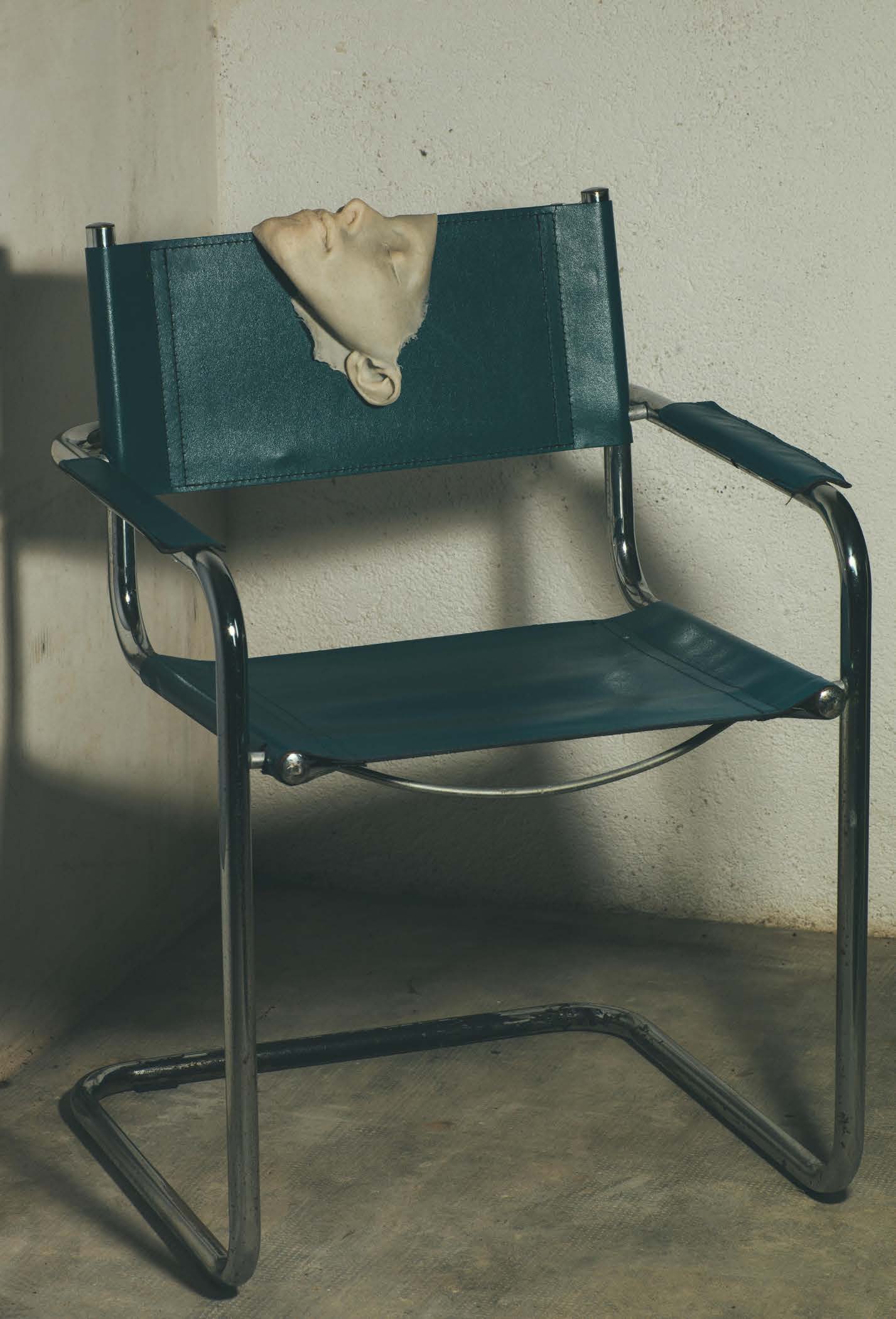
Look again.
Look better.
Manifesto
Transforming the weight of the gaze into a space of recognition
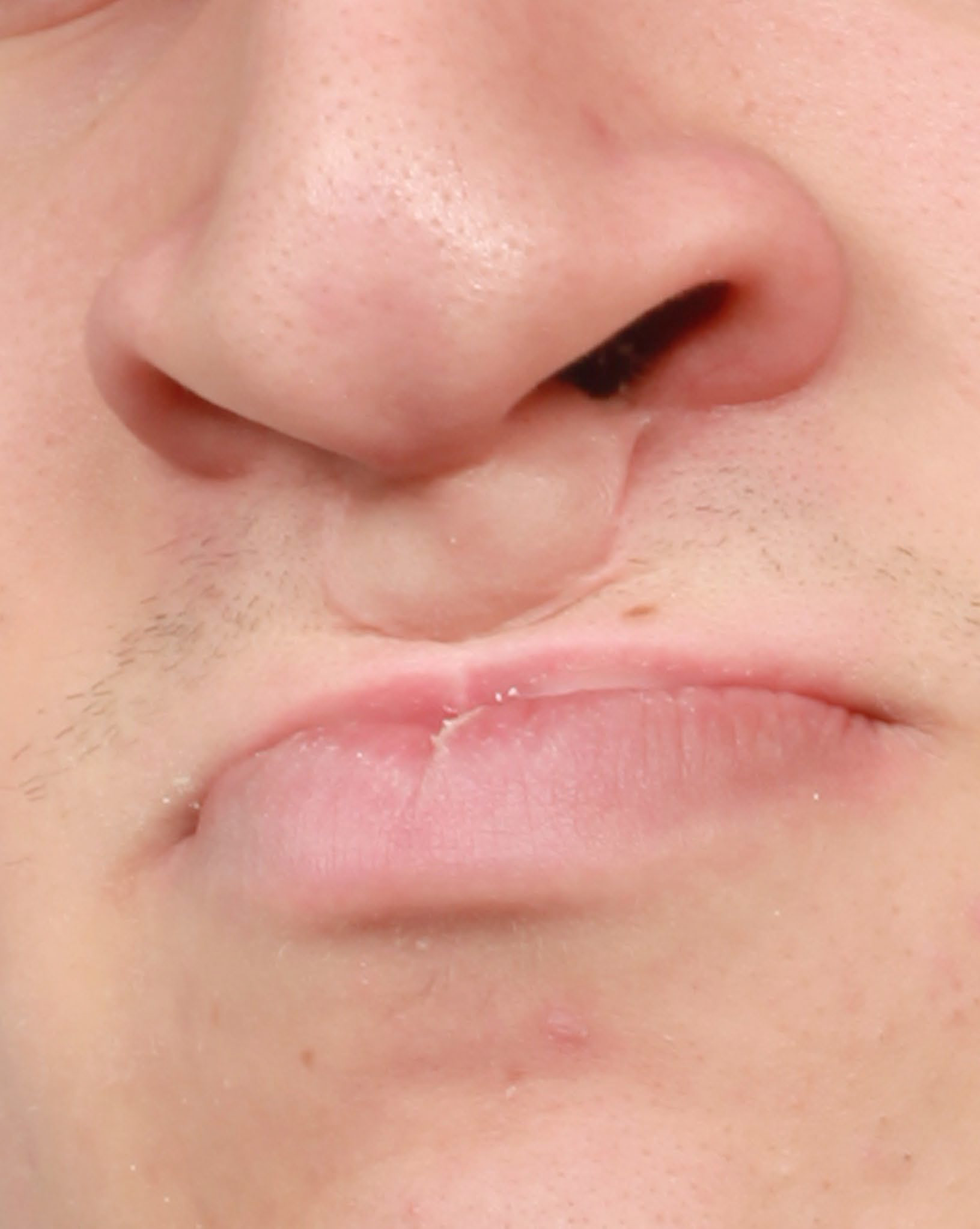
Geography of the After / Clinics of Otherness emerges from a shared territory: the altered face, the repaired body, and the traces left by accident, war, surgery and the social gaze.
Our work does not document medical cases. It considers what remains after the shock, when a face must return to public space and withstand the gaze of others.
We bring together portraits, wrecked car bodies, casts, surgical fragments, overexposed images, film stills and paintings. Skin, metal, plaster, canvas and light become surfaces for the same question: how do we look at what has left behind the fiction of wholeness?
This is not a project about disfigurement.
It is a project about the gaze - its violence, unease and avoidance, but also its capacity to change.
Journey
A shift
in the gaze
The portfolio unfolds as a passage: from object to face, from impact to trace, from imprint to clinical threshold, and finally to forms of survival.
The frontal gaze
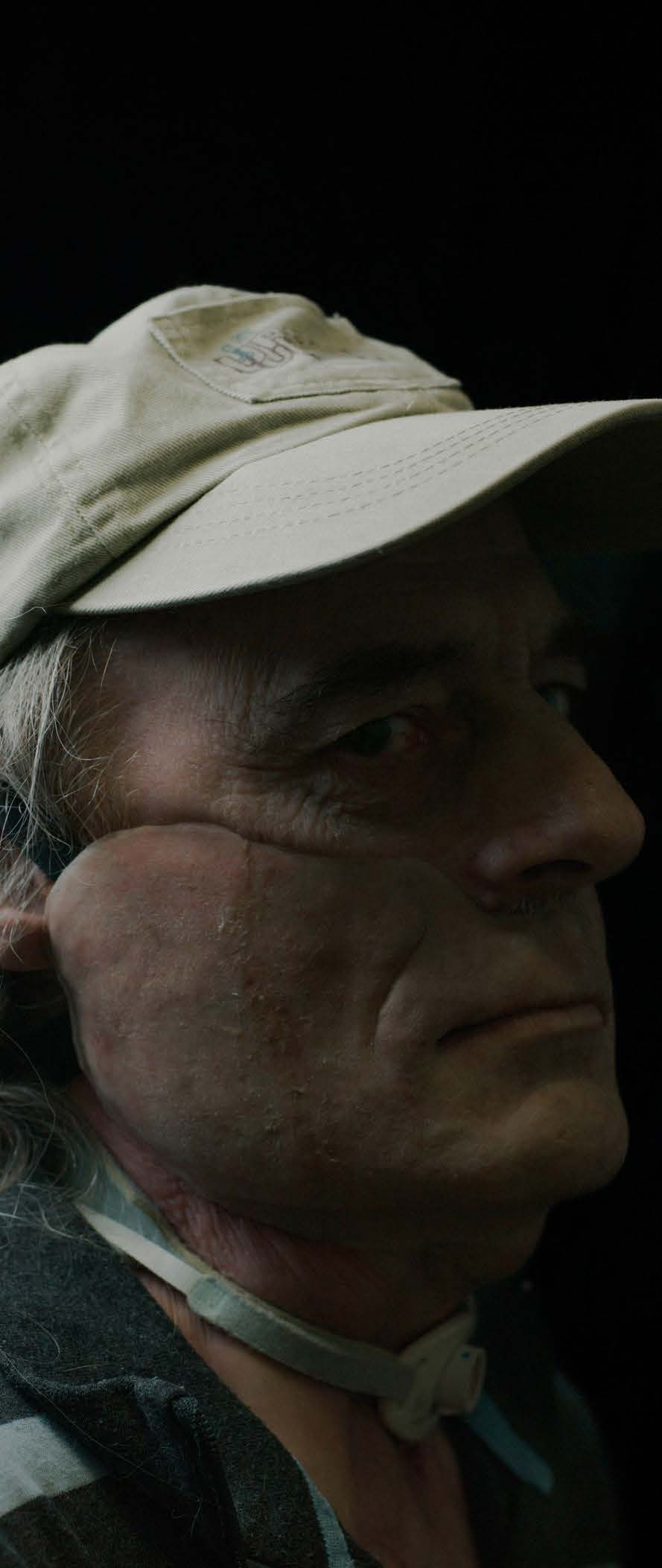
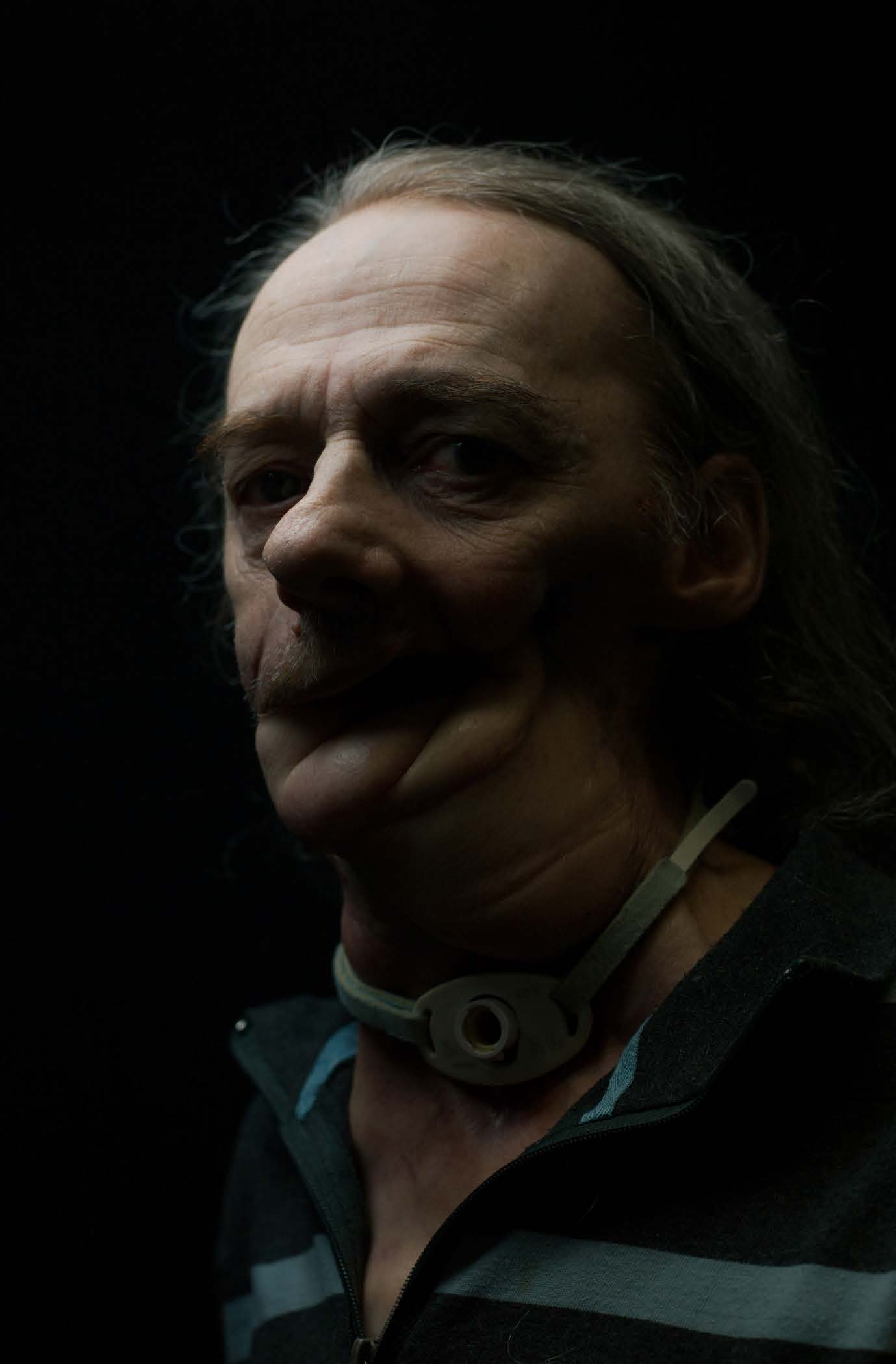
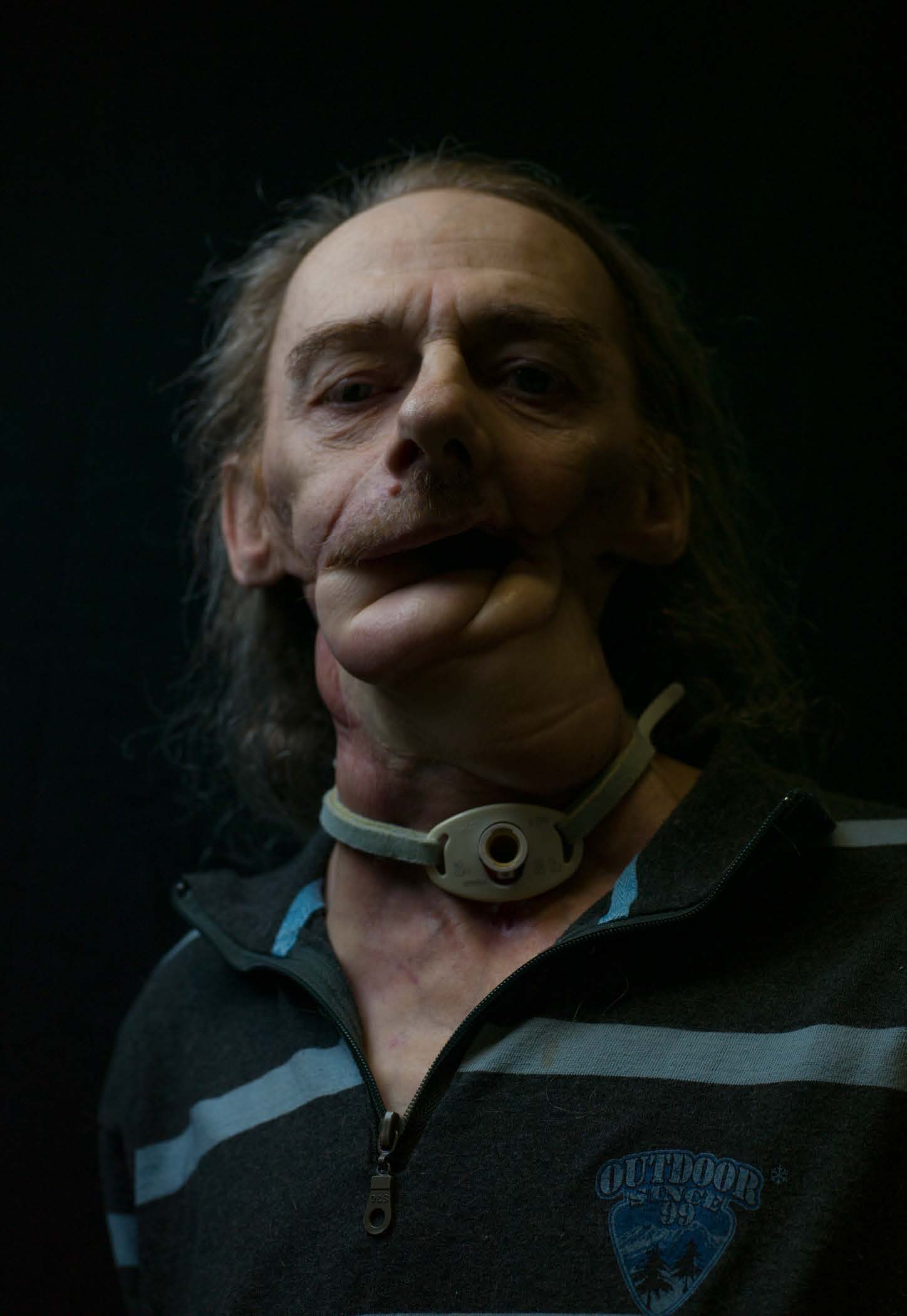
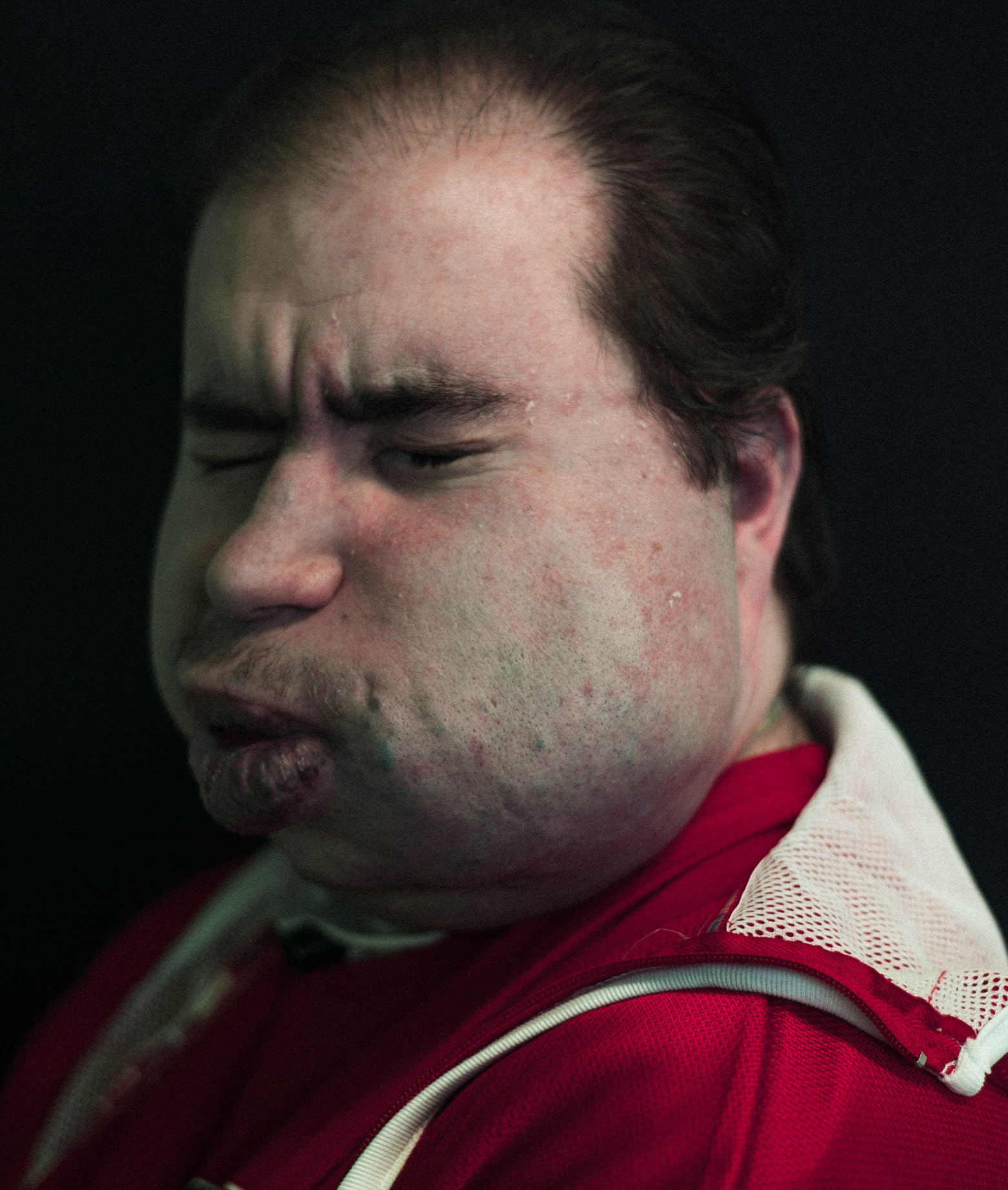
Human presences that do not ask for compassion, but for a gaze that holds.
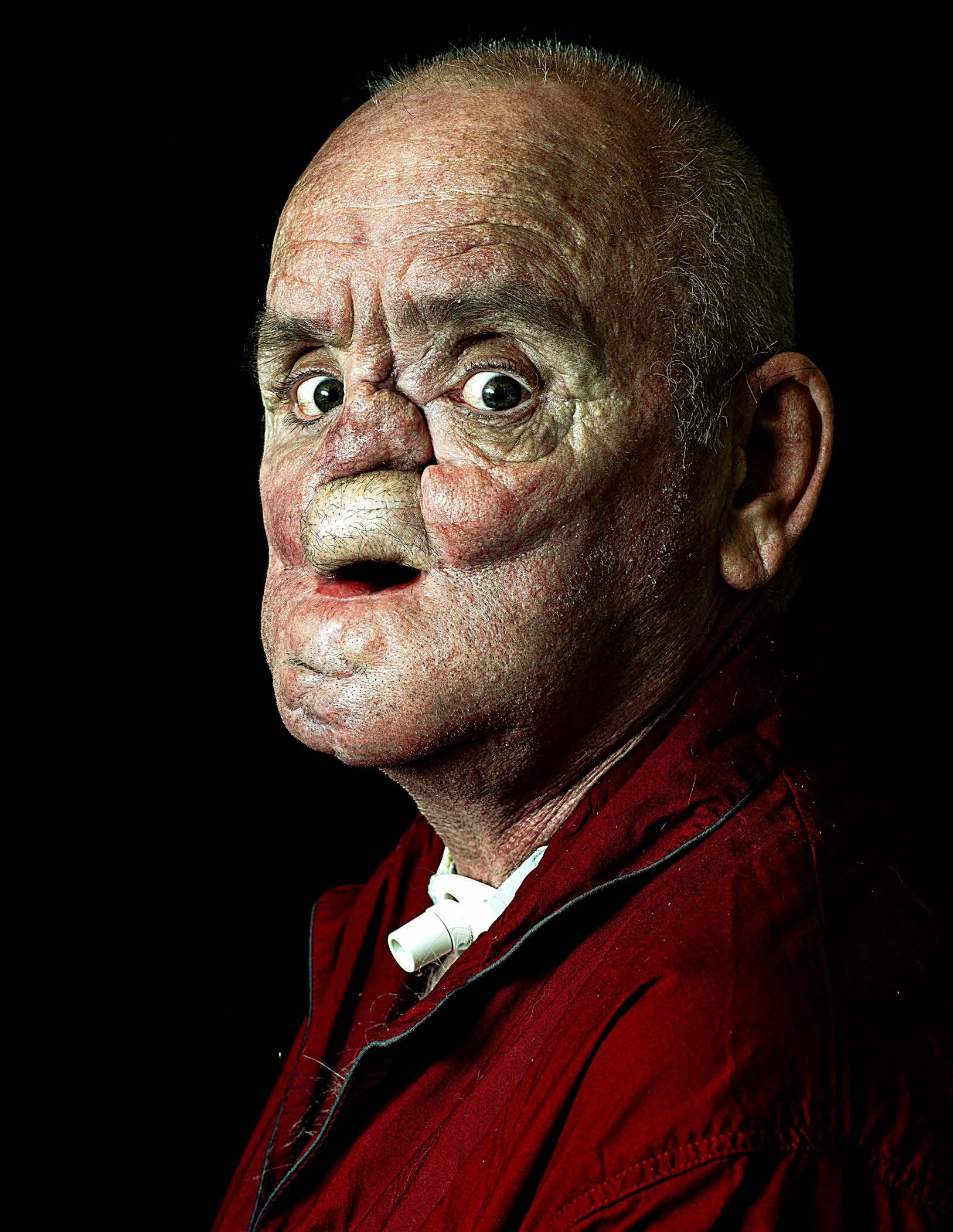
The face appears as a threshold of the gaze, outside any medical or pathological reading. The presence is not explained: it is held.
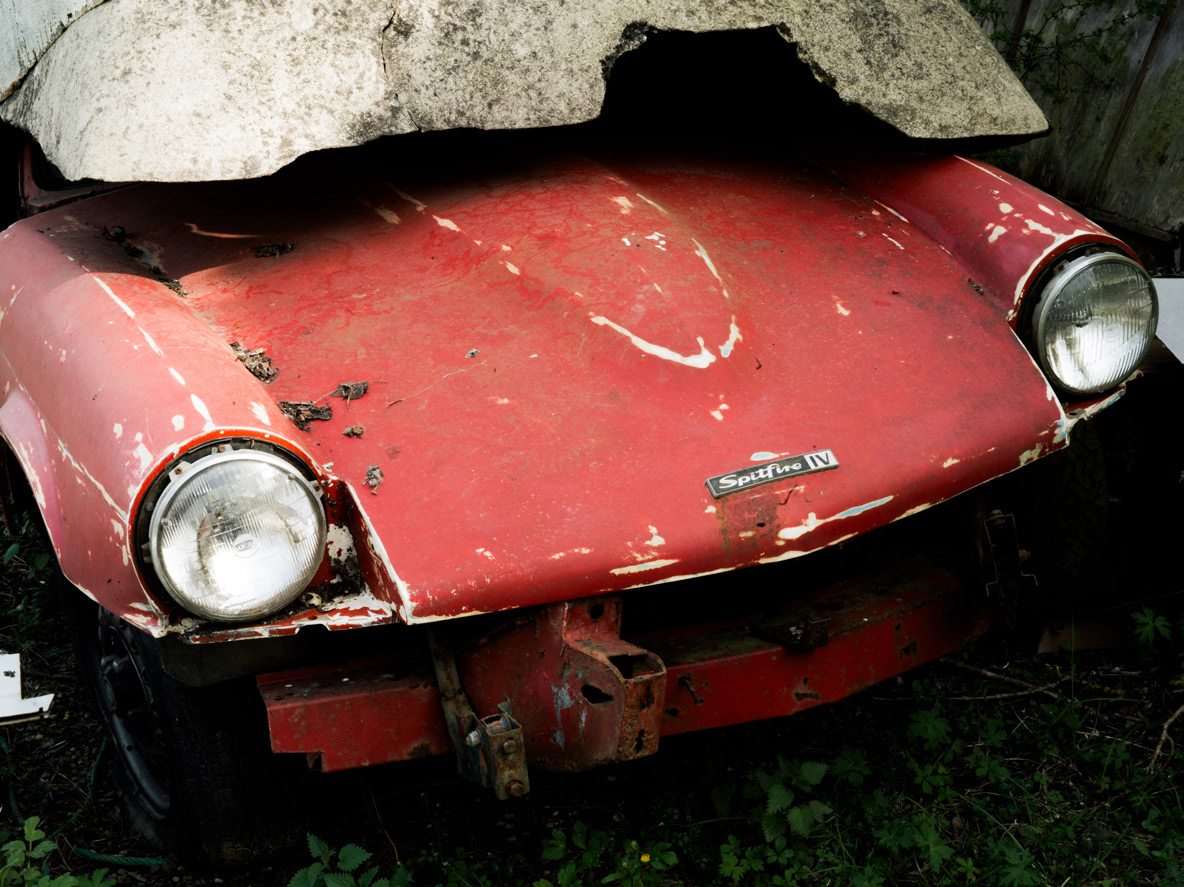
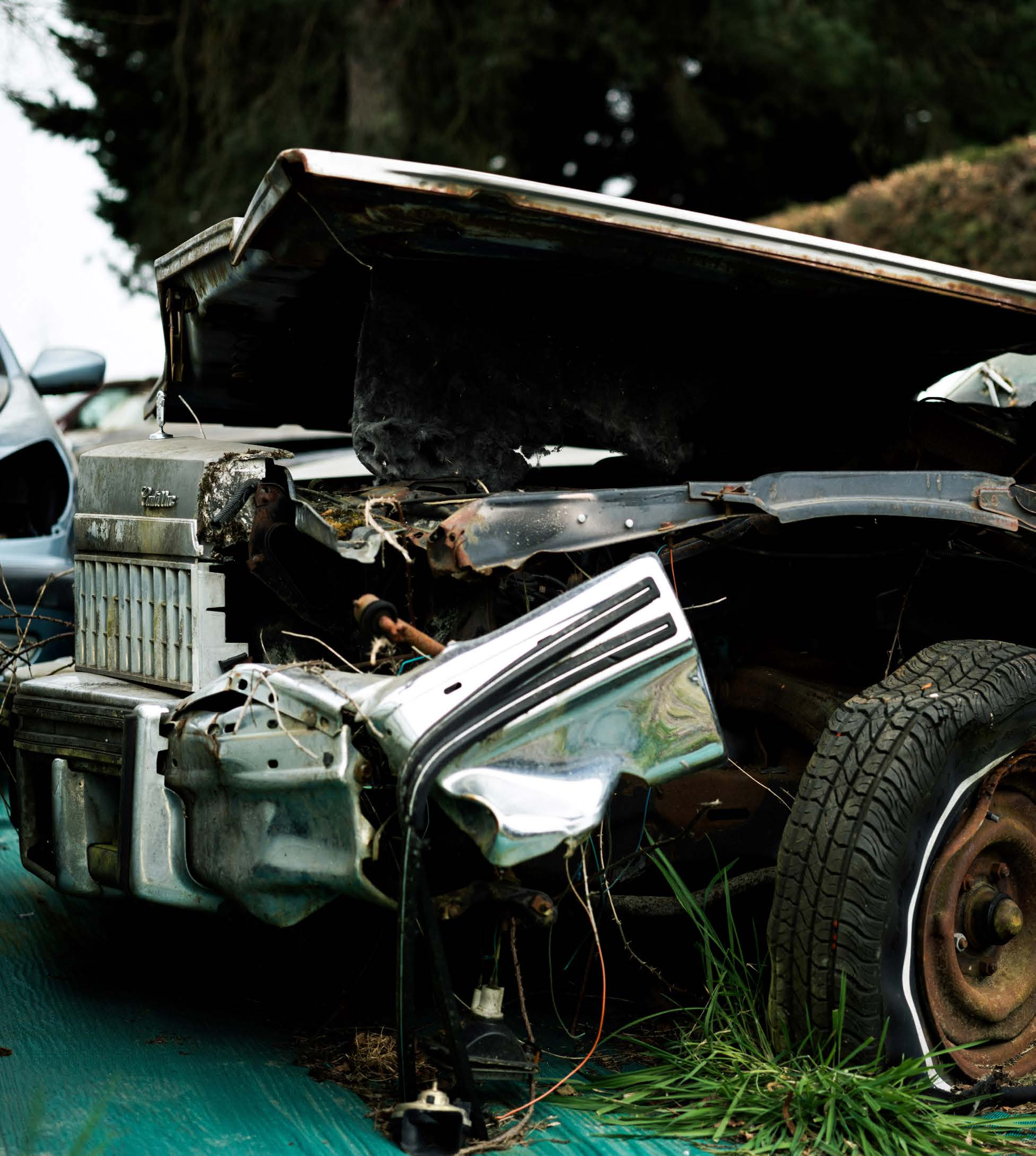
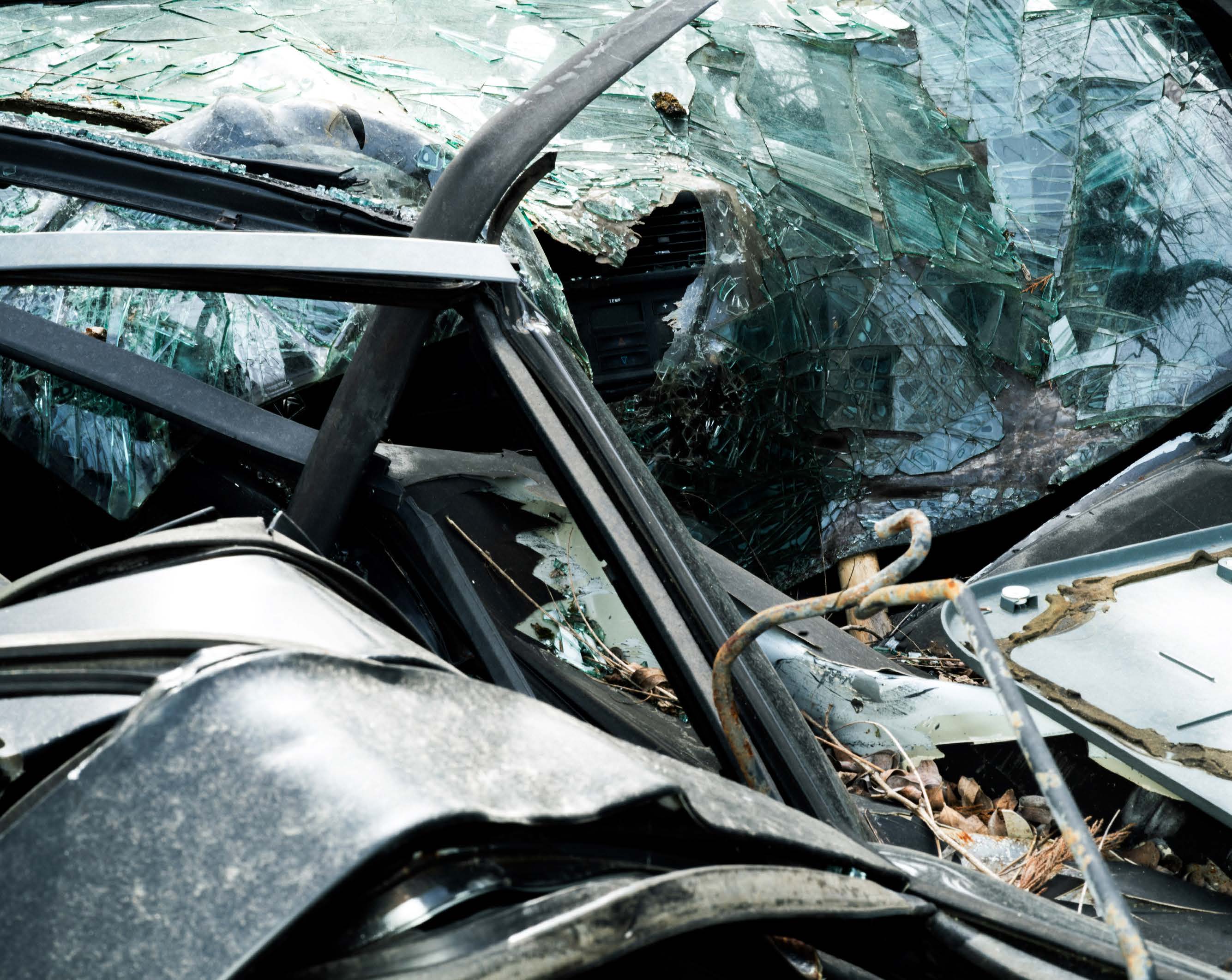
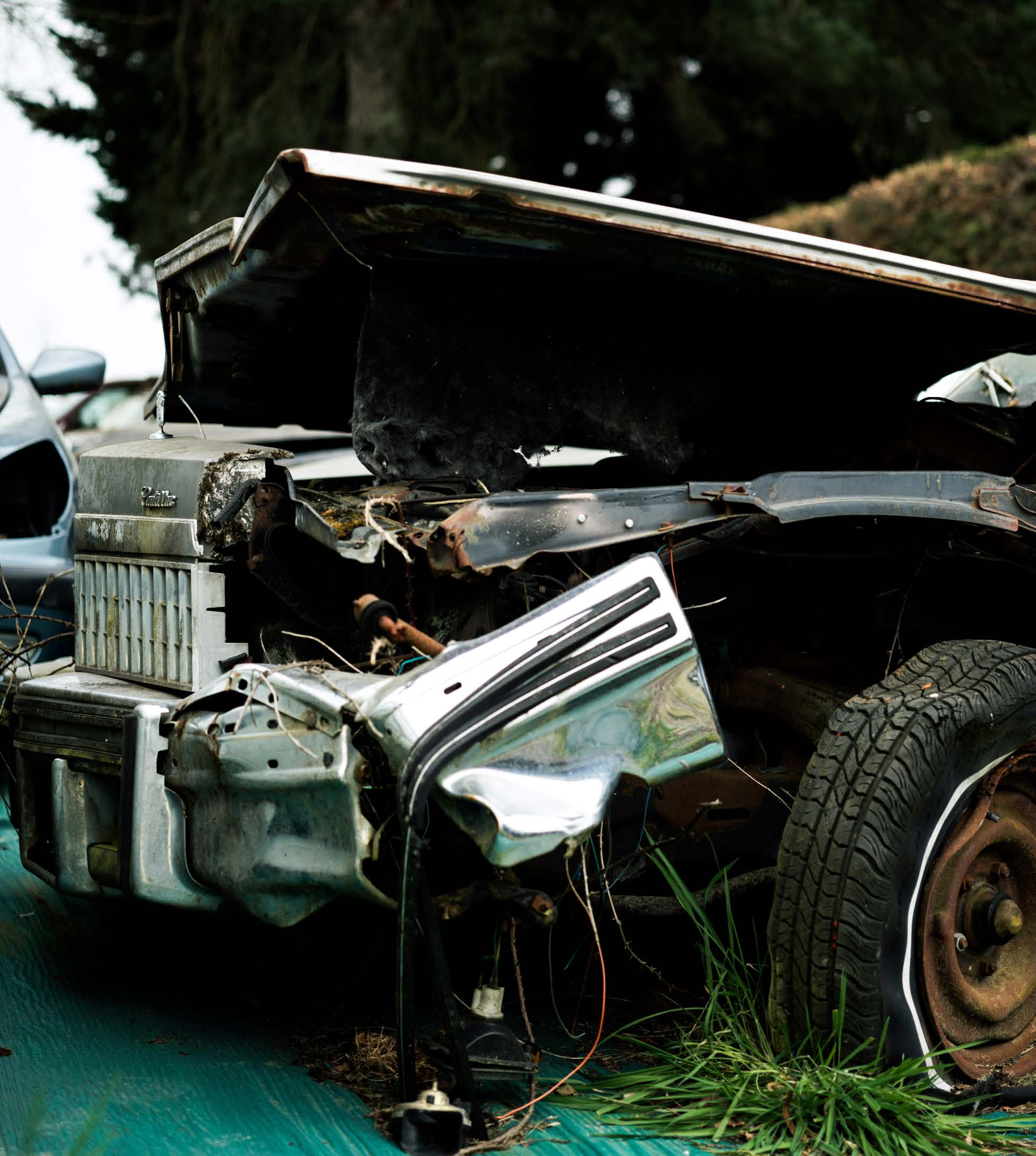
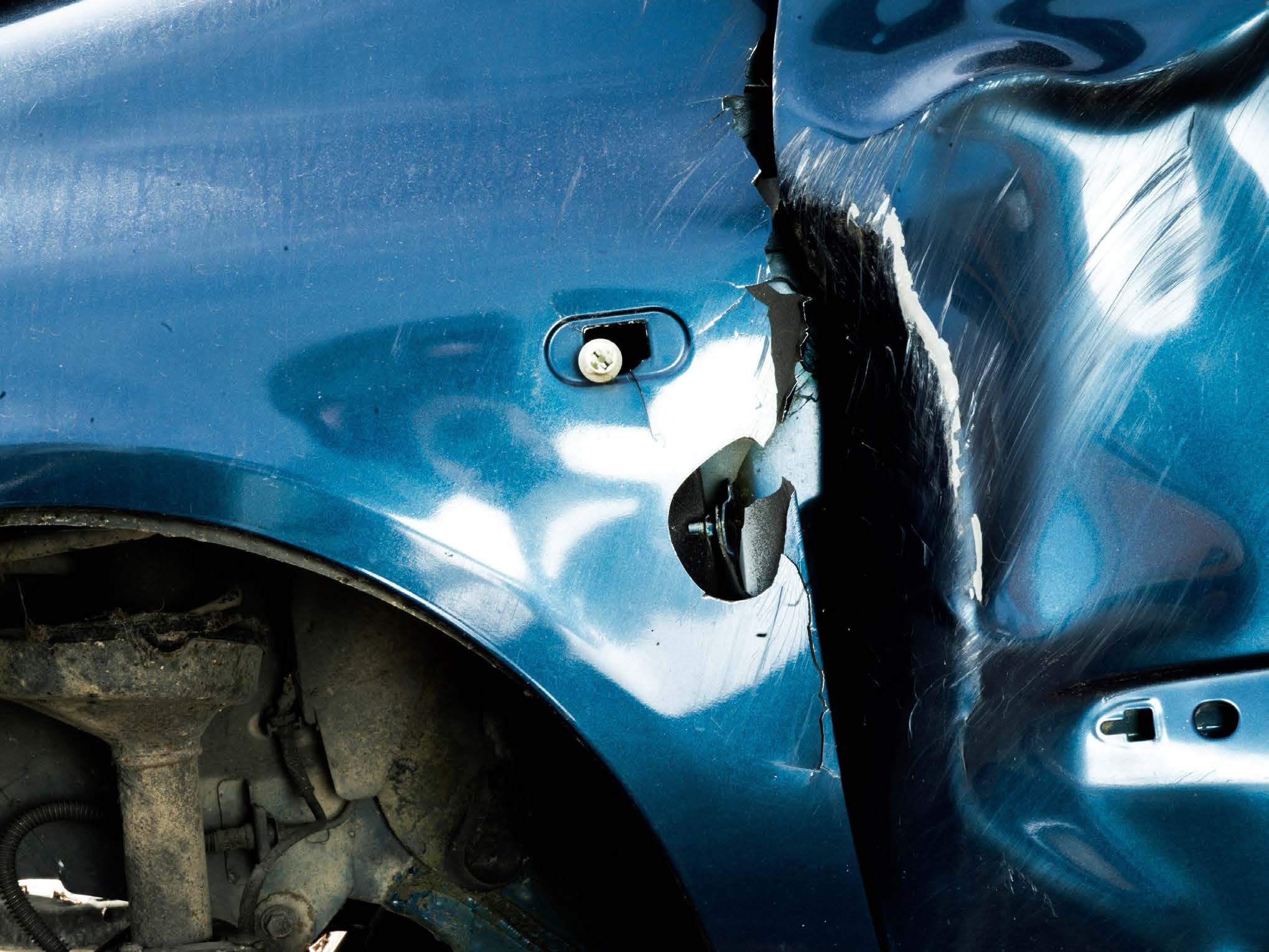
Metal folds, dents and bears marks. It becomes the face’s material counterpoint: a wounded surface that retains the memory of impact.
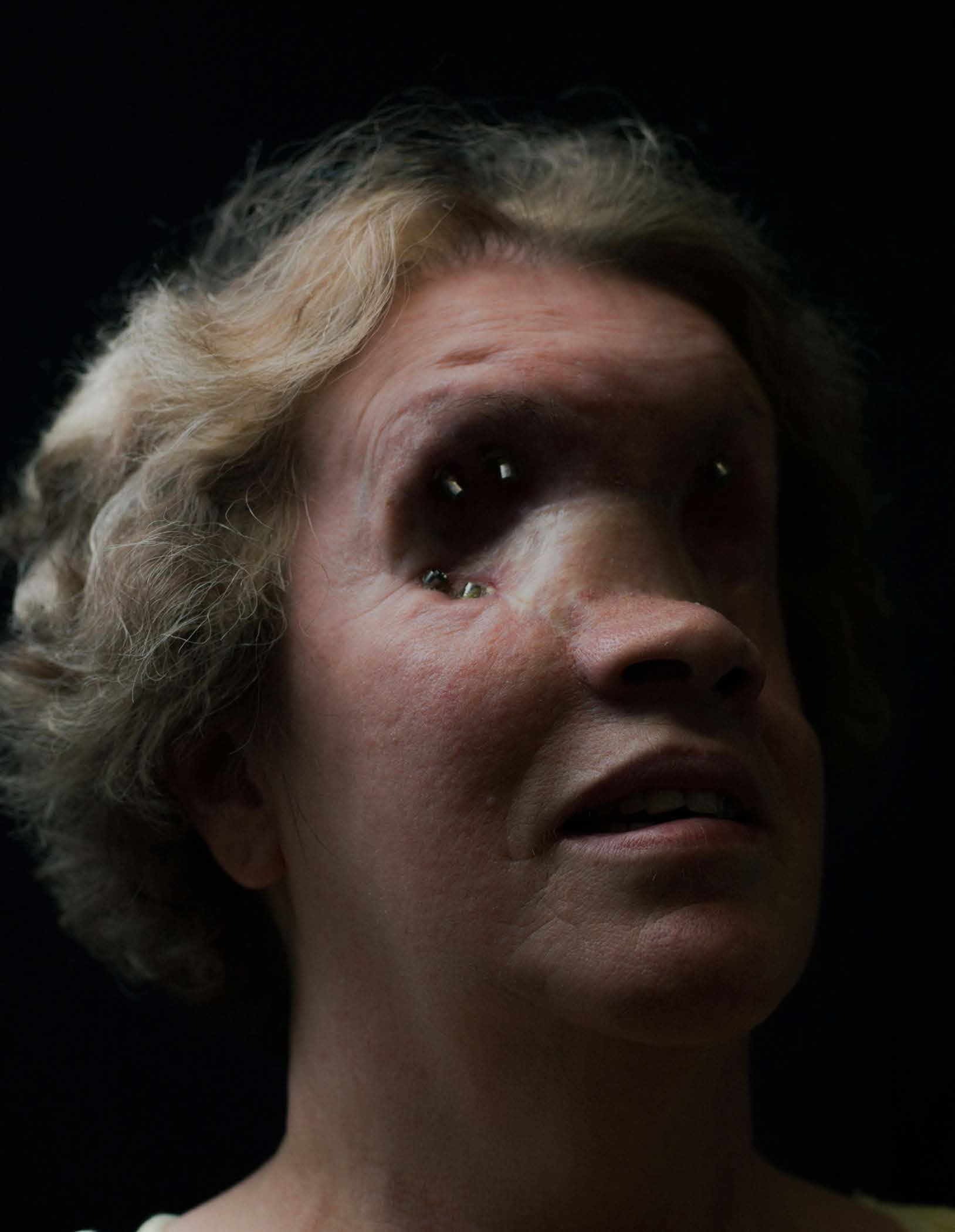
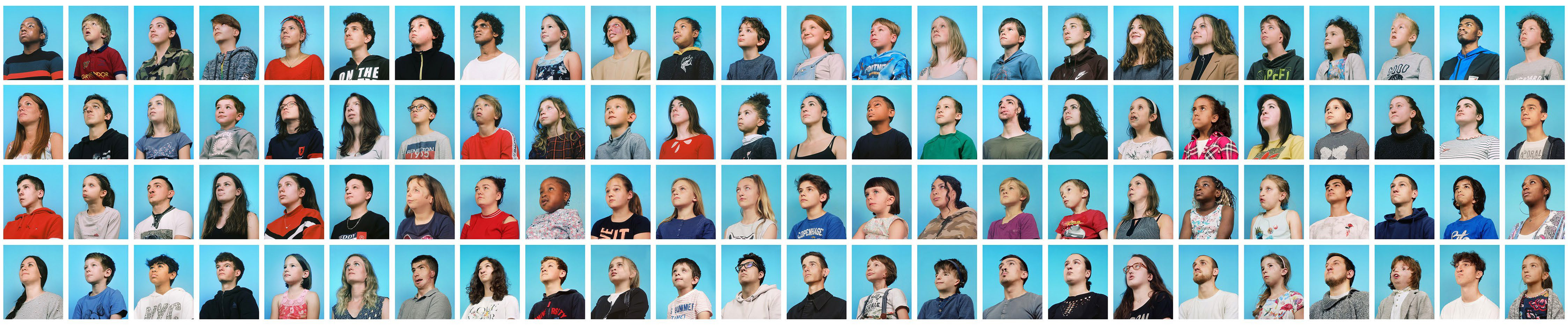
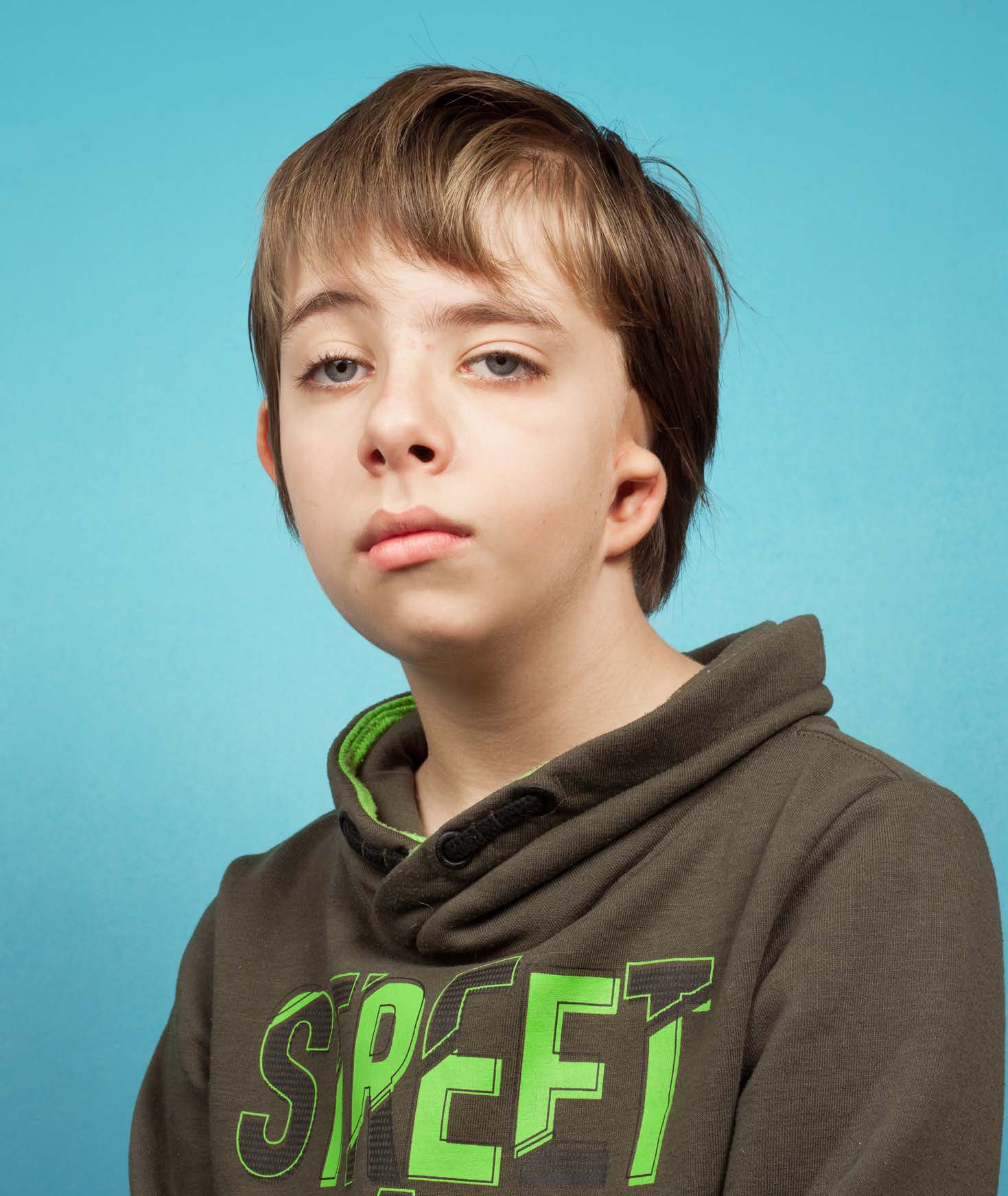
Childhood reveals how the social gaze is learned: what we are taught to see, judge, avoid or sustain.
Impacted matter
Metal, glass, car bodies: wounded surfaces that retain the memory of impact.
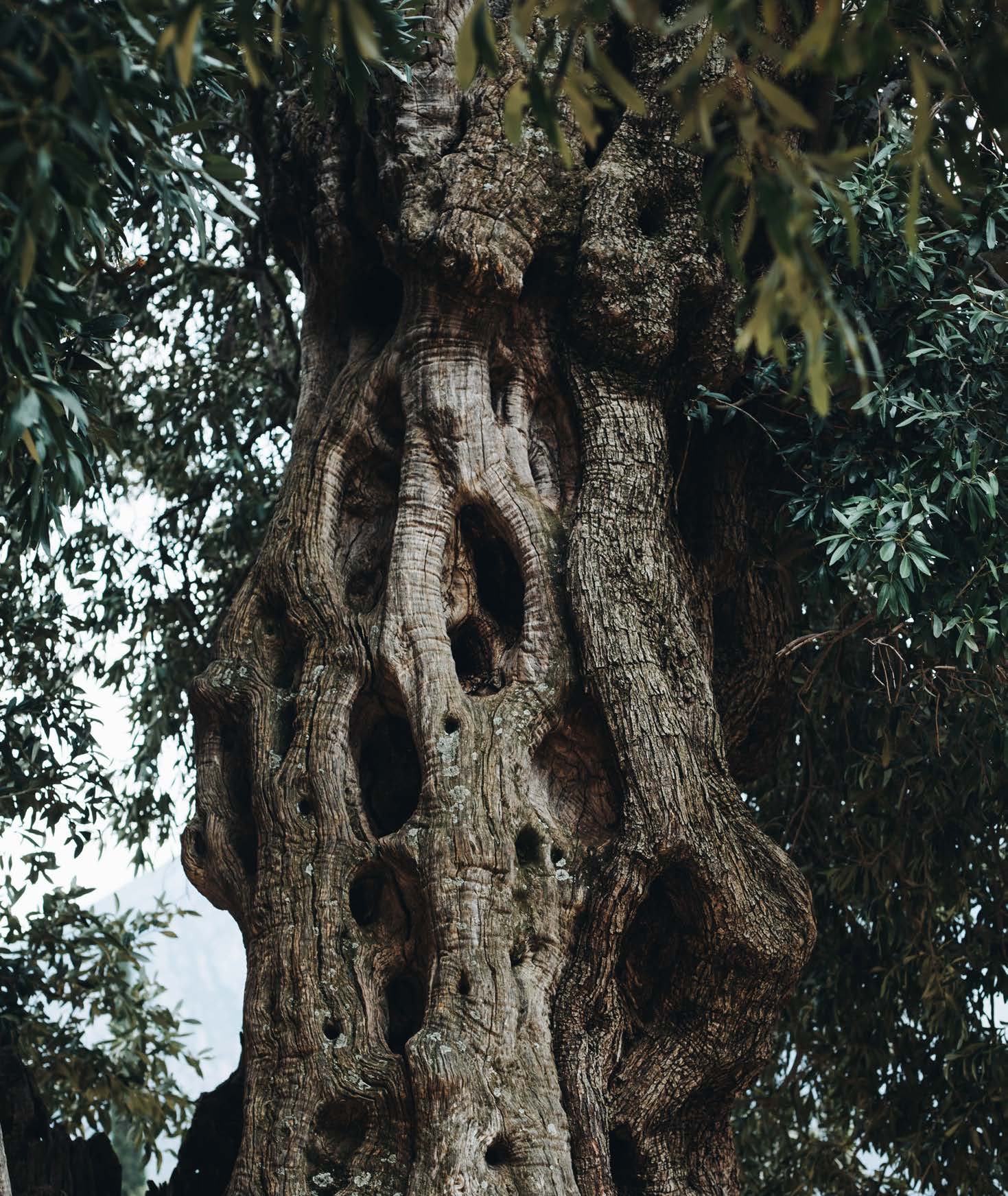
The organic trace
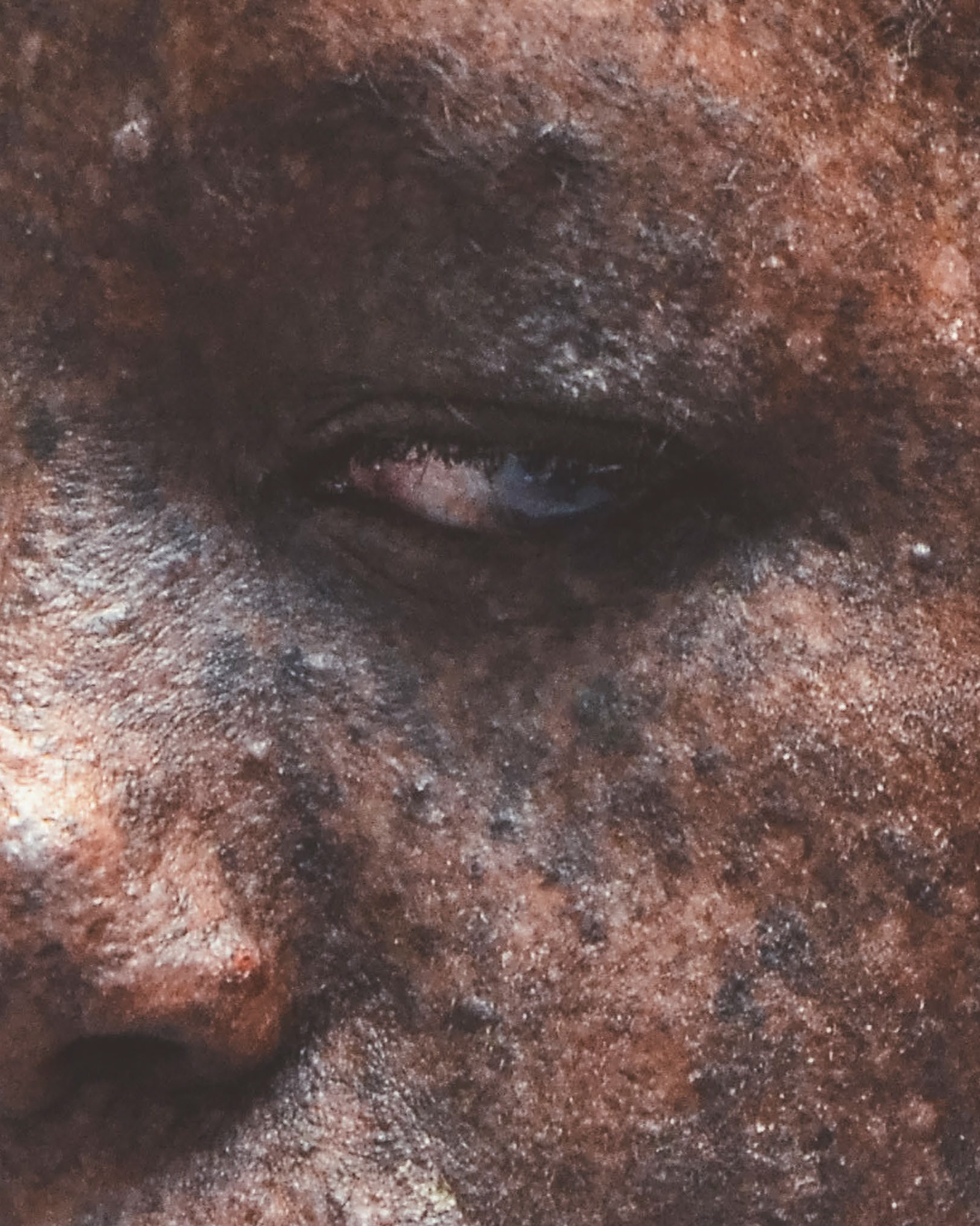
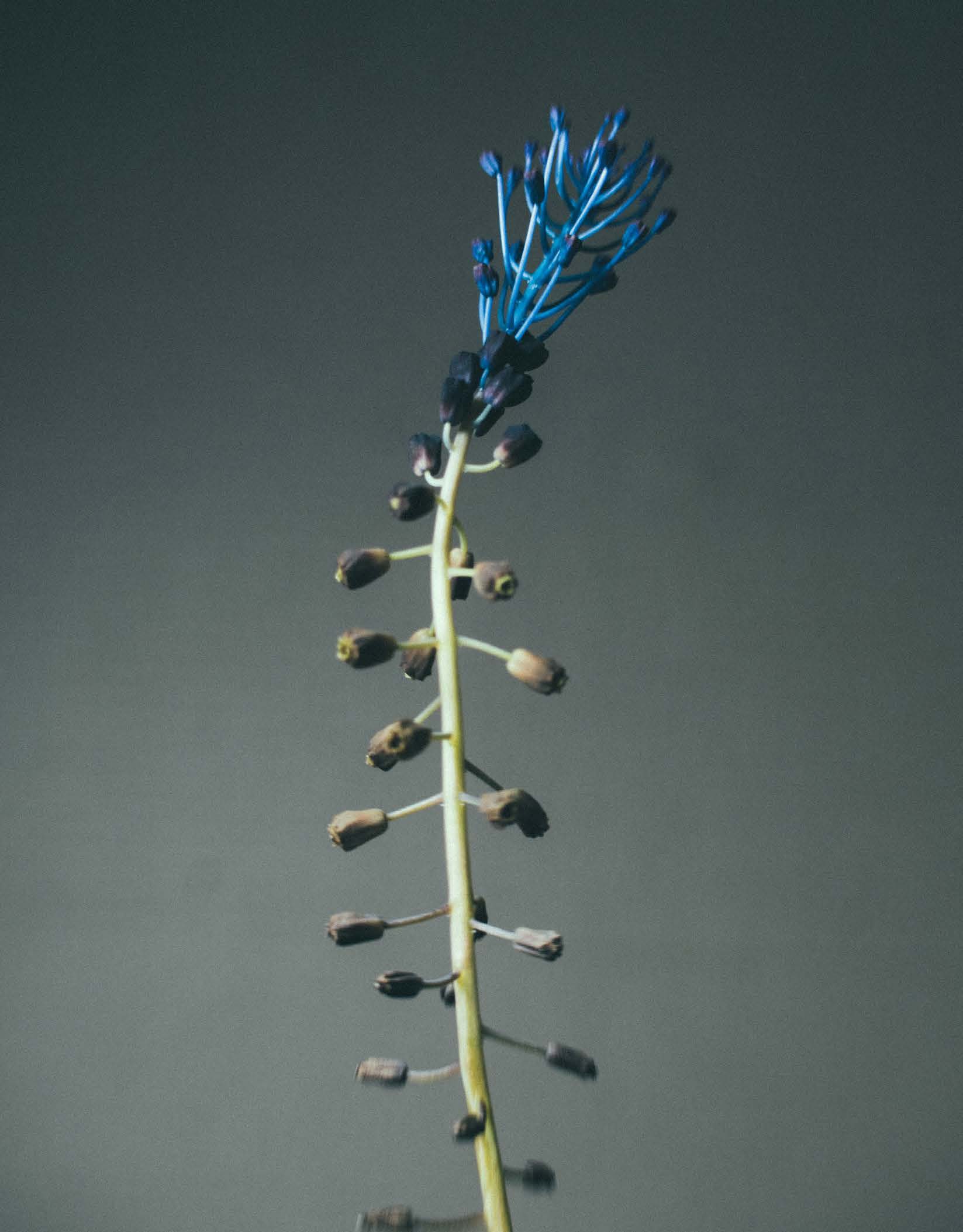
Skin, bark, detail: the face becomes a sensitive territory.

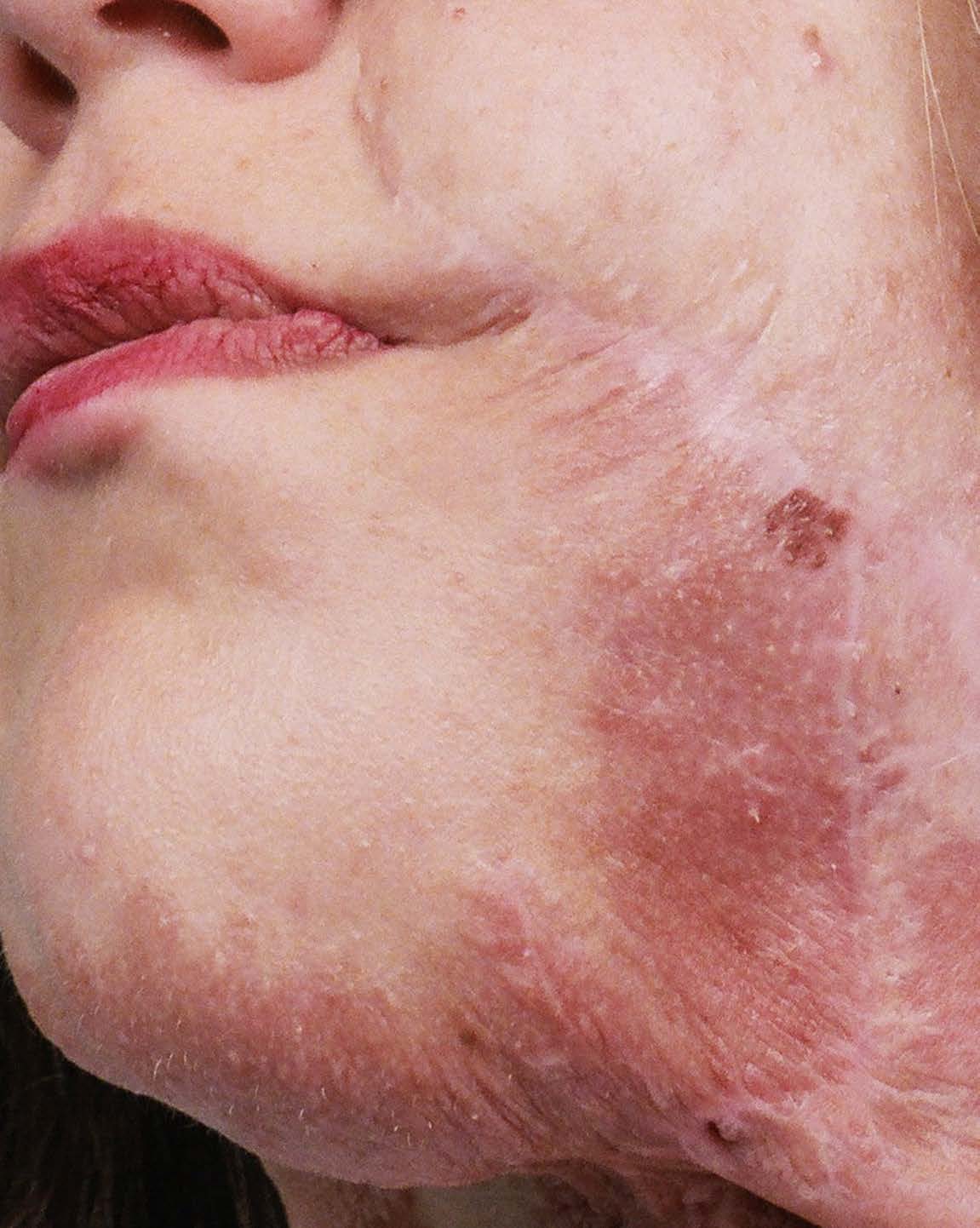
Like skin, flora retains a memory of pressure, loss and resistance. The wound moves beyond the face to become a writing of surfaces.

Imprint and ghost
Casts, masks and deposits: the portrait leaves resemblance behind and becomes an apparition.
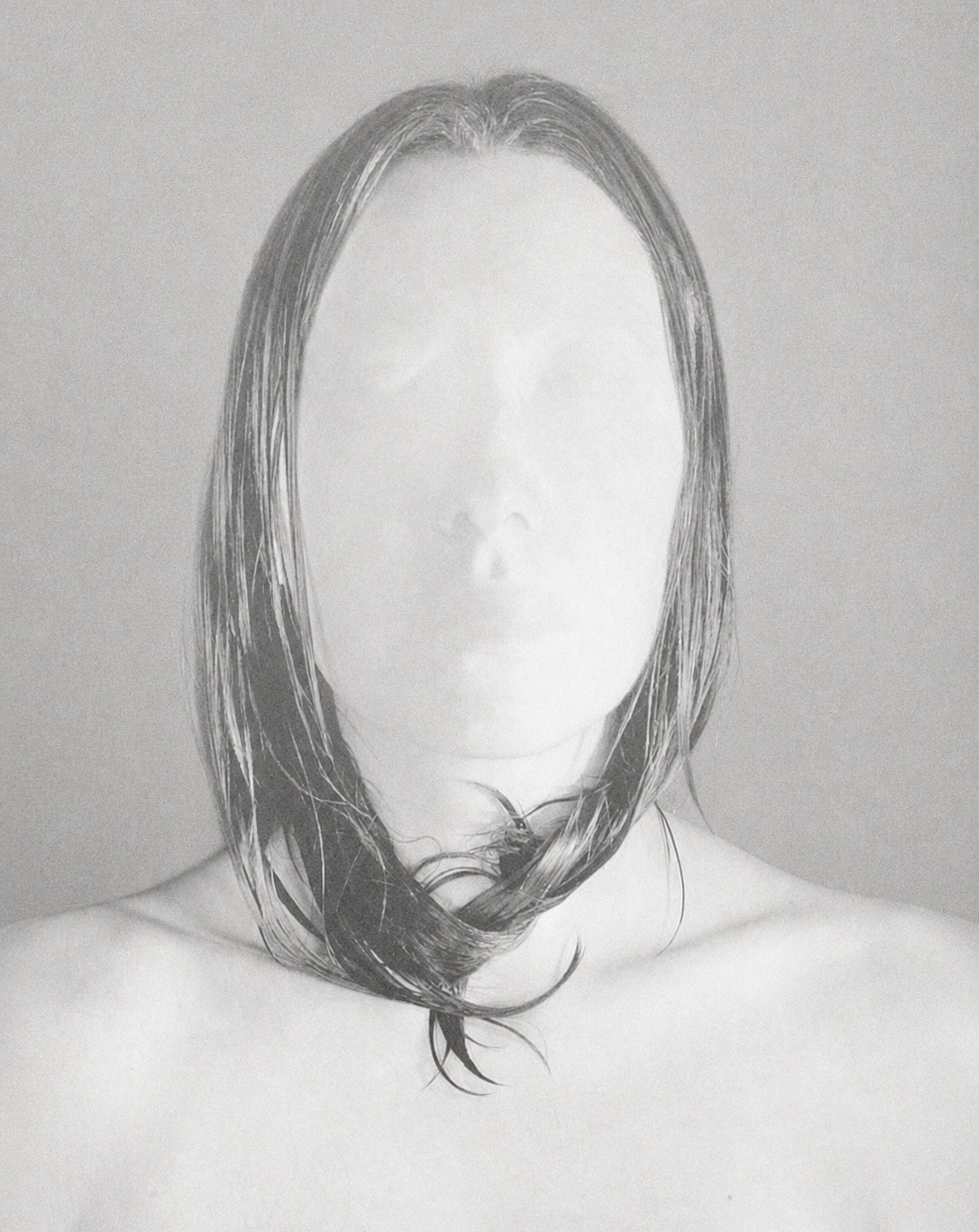
The face withdraws into light. It becomes a surface, an imprint, almost an absence.
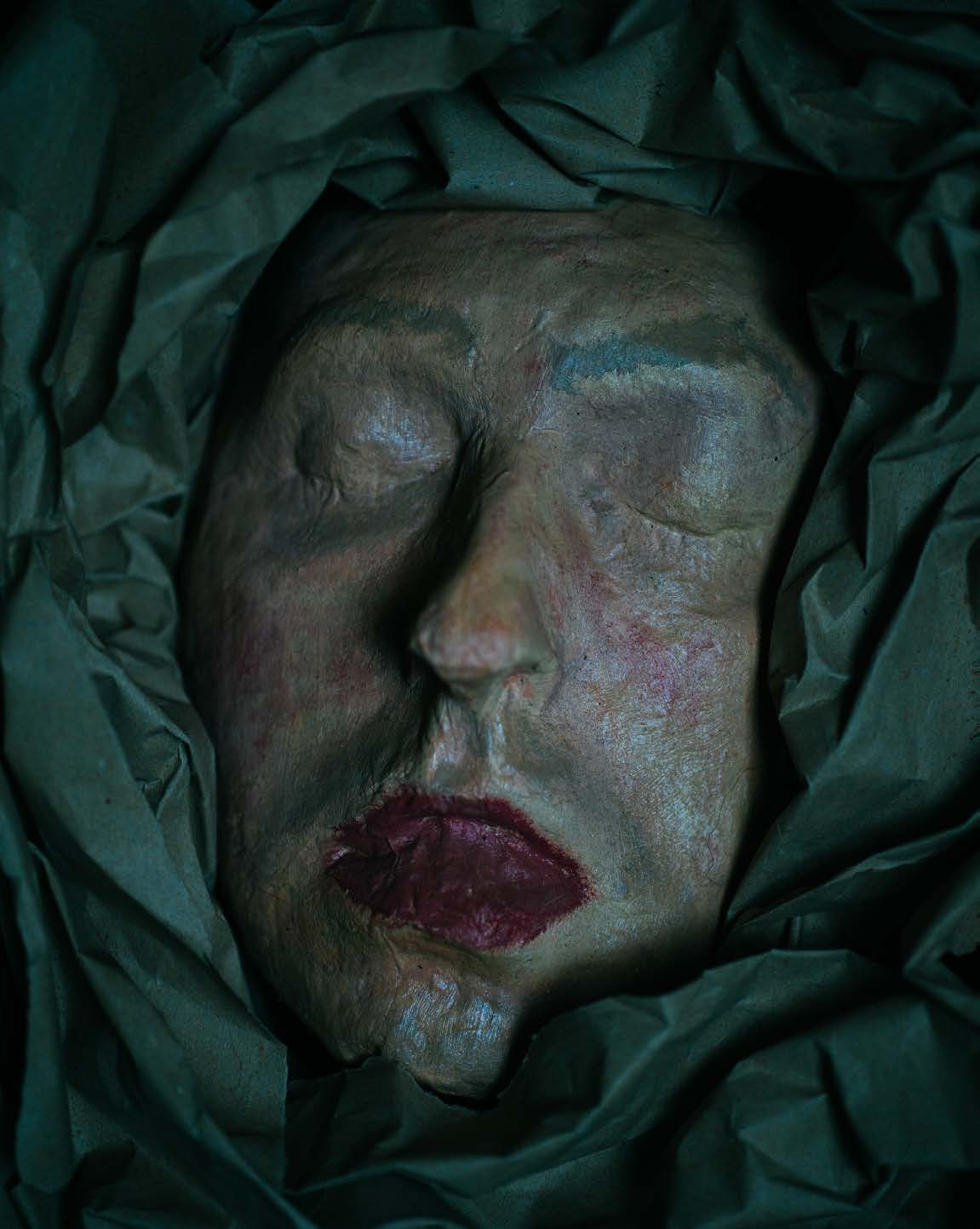
The portrait becomes a second skin: a fragile presence between relic, apparition and disappearance.
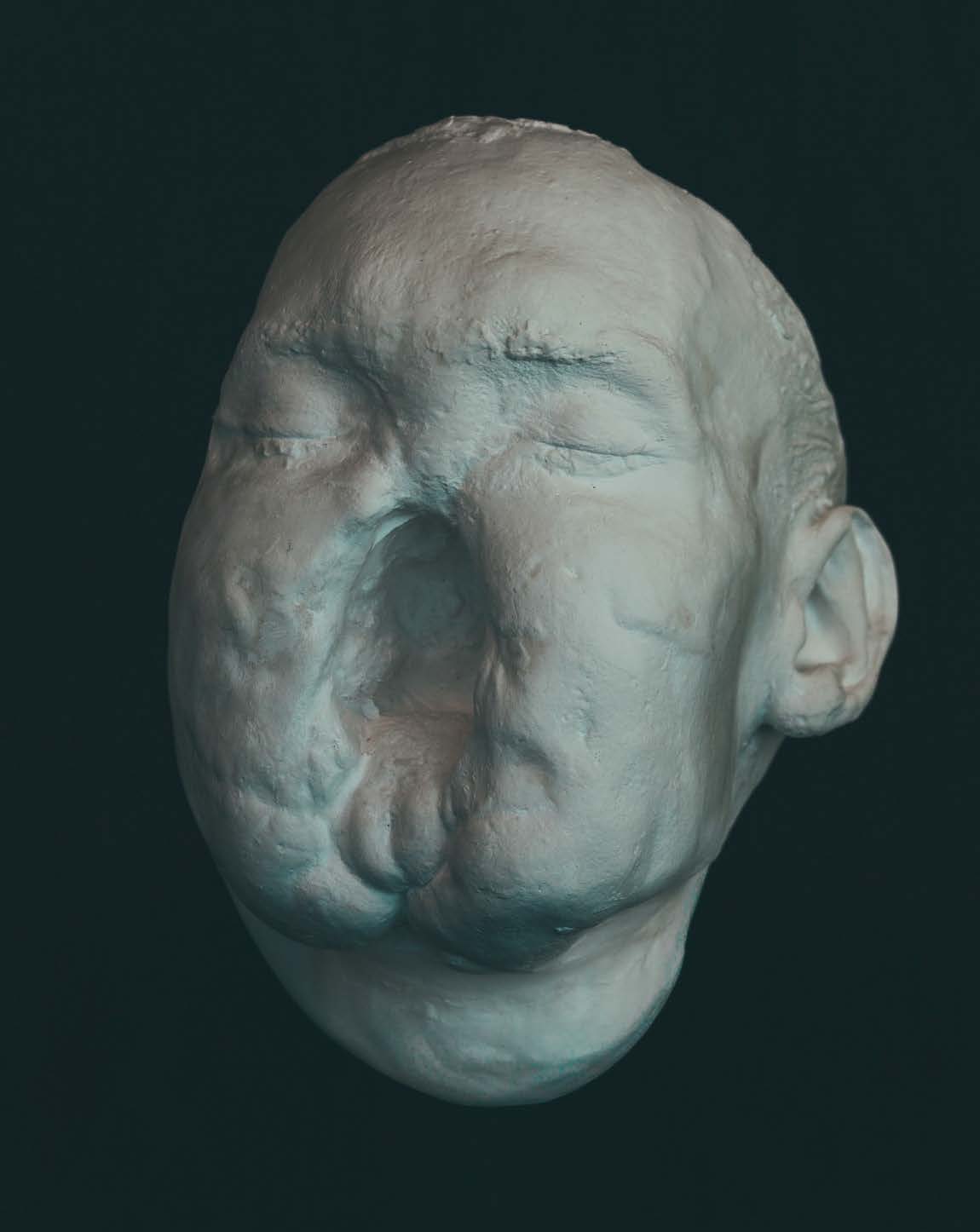
The cast suspends the face between sculpture, absence and memory.
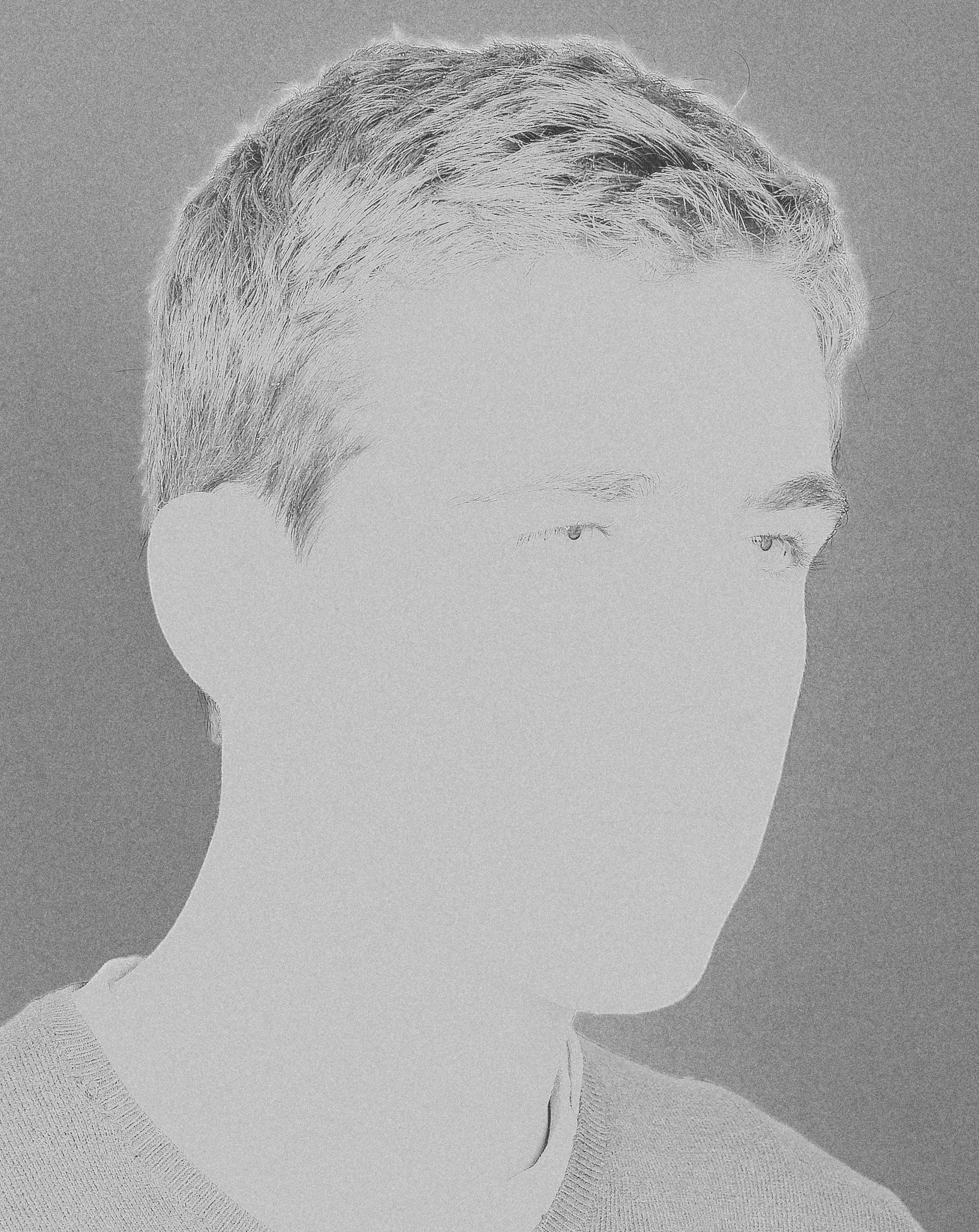
The face dissolves into light. It does not disappear: it becomes an apparition.
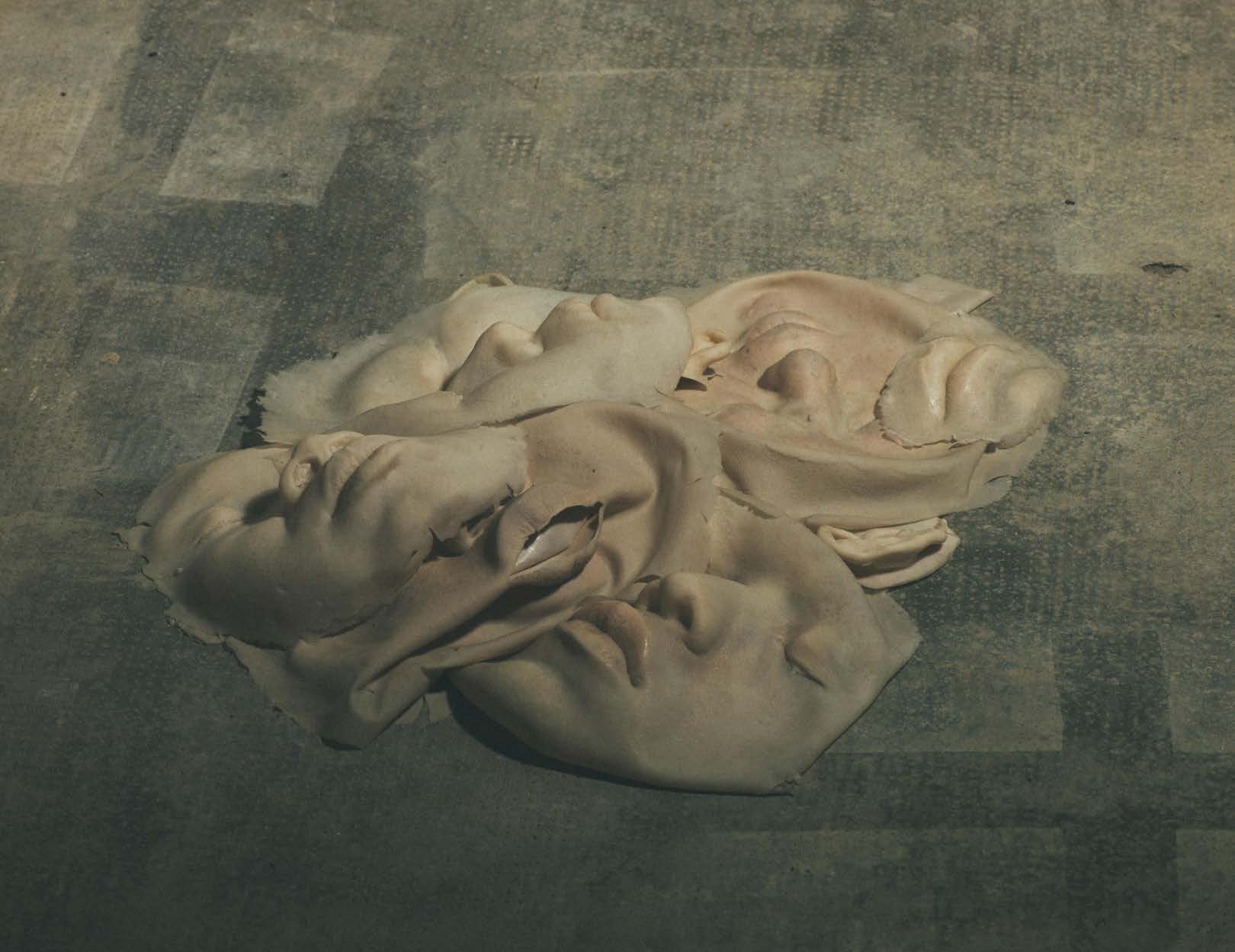
A deposit of traces: archive, relic, landscape of absence. The portrait leaves identity behind and becomes a material of memory.
The clinical threshold
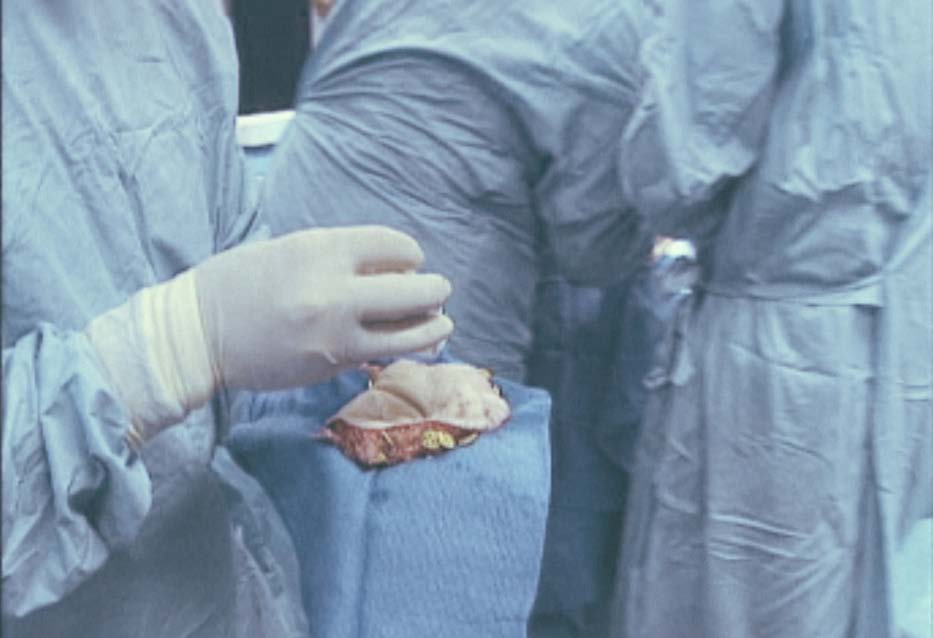
The surgical origin of the gaze becomes mental and material substance.
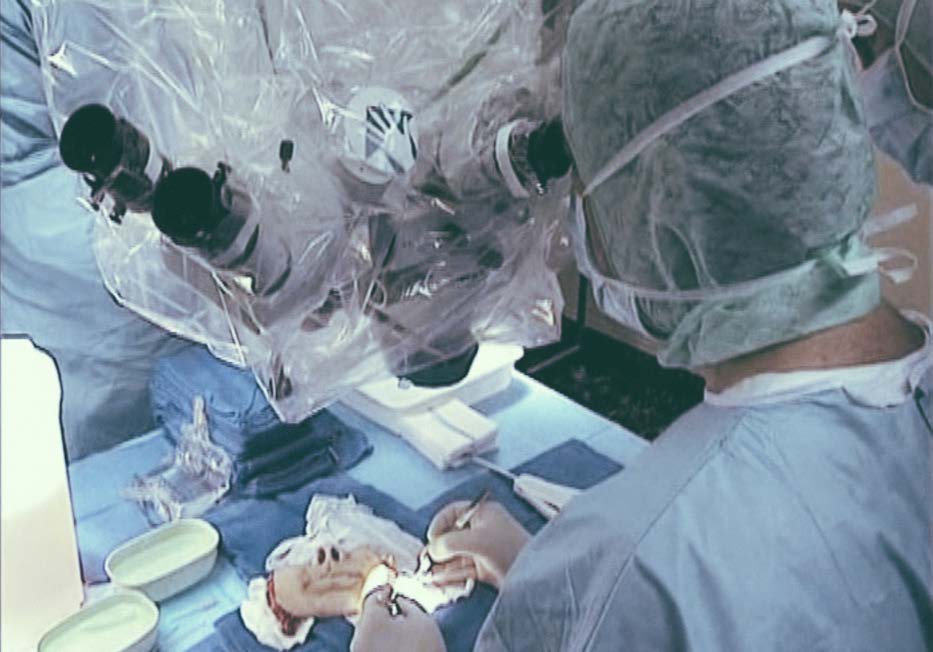
The facial graft appears between harvesting and transplantation: a surface awaiting recognition.
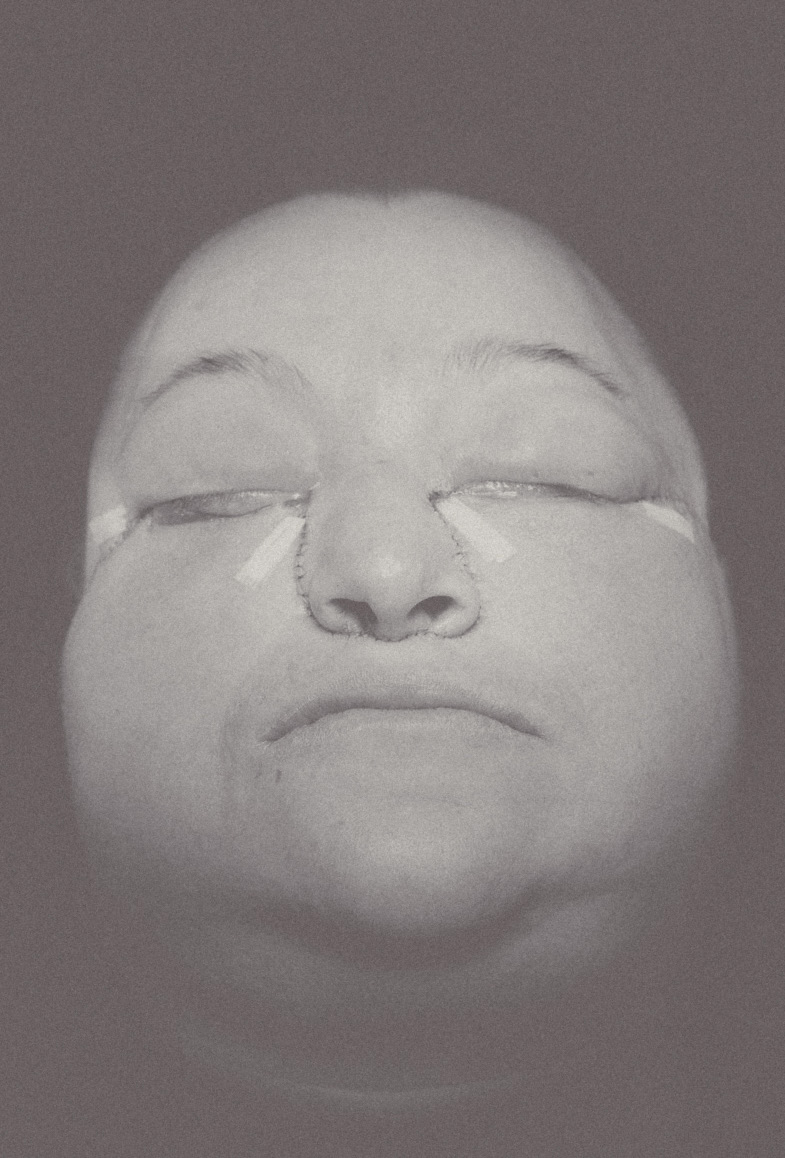
The image stands at the threshold of care: after the surgical gesture, before the return to the social gaze.
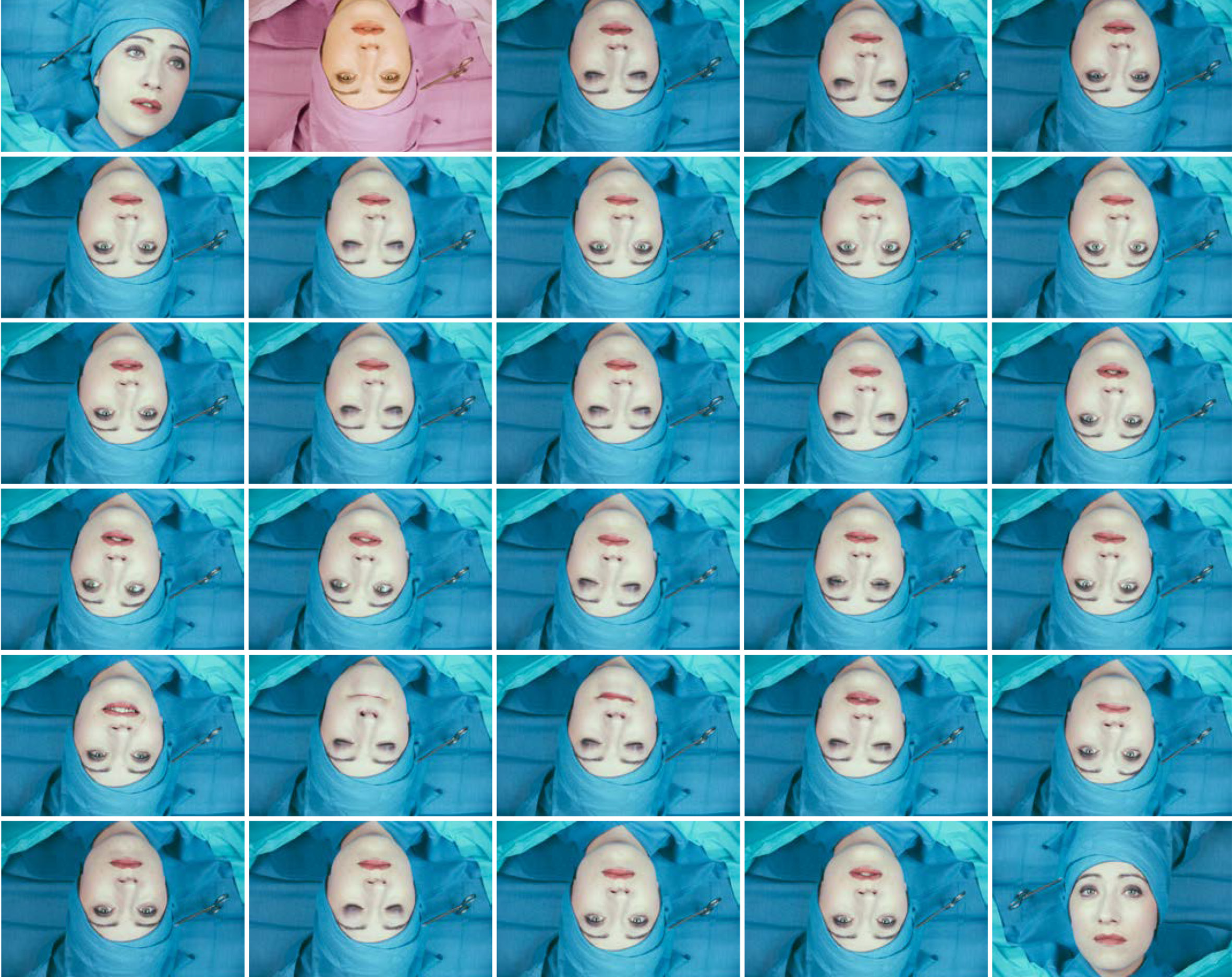
The self-portrait questions the standardisation of the face, clinical protocol and the position of the caregiver’s gaze.
Survivals
The wound meets history, war, painting and forms of repair.
Interview excerpt
The Face to Come
Before facial allotransplantation · Amiens University Hospital
Excerpt from an interview conducted with Ms B. before her surgery. She would become the third person to receive a facial allotransplant in Amiens.
Her words capture a particular moment: the one preceding transformation, when the medical procedure is still a possibility and the future remains open.
Watch the film ↗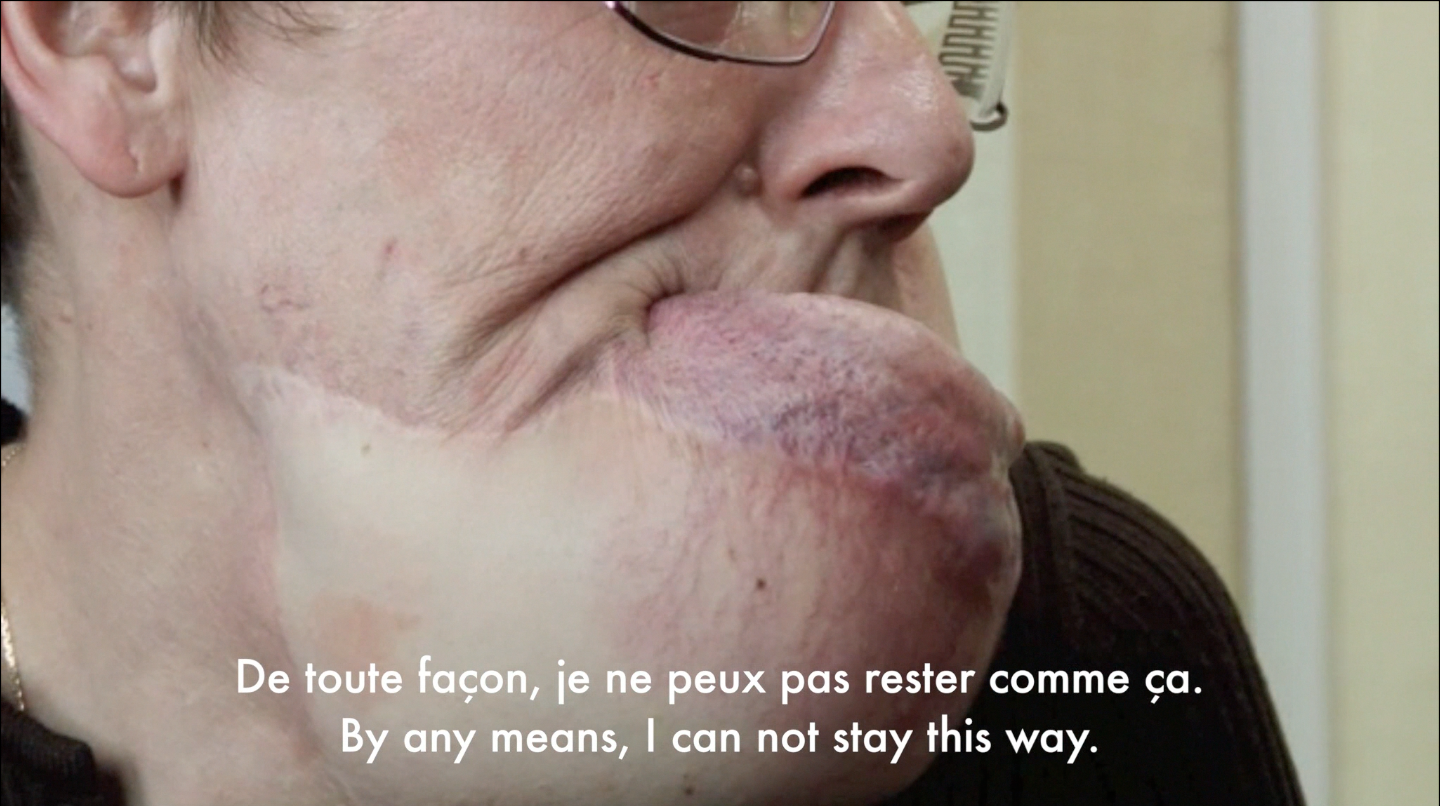 Watch the film ↗
Experimental film
InvU
Cyril Caine & Anita Volker · 2011 · 4 min 14
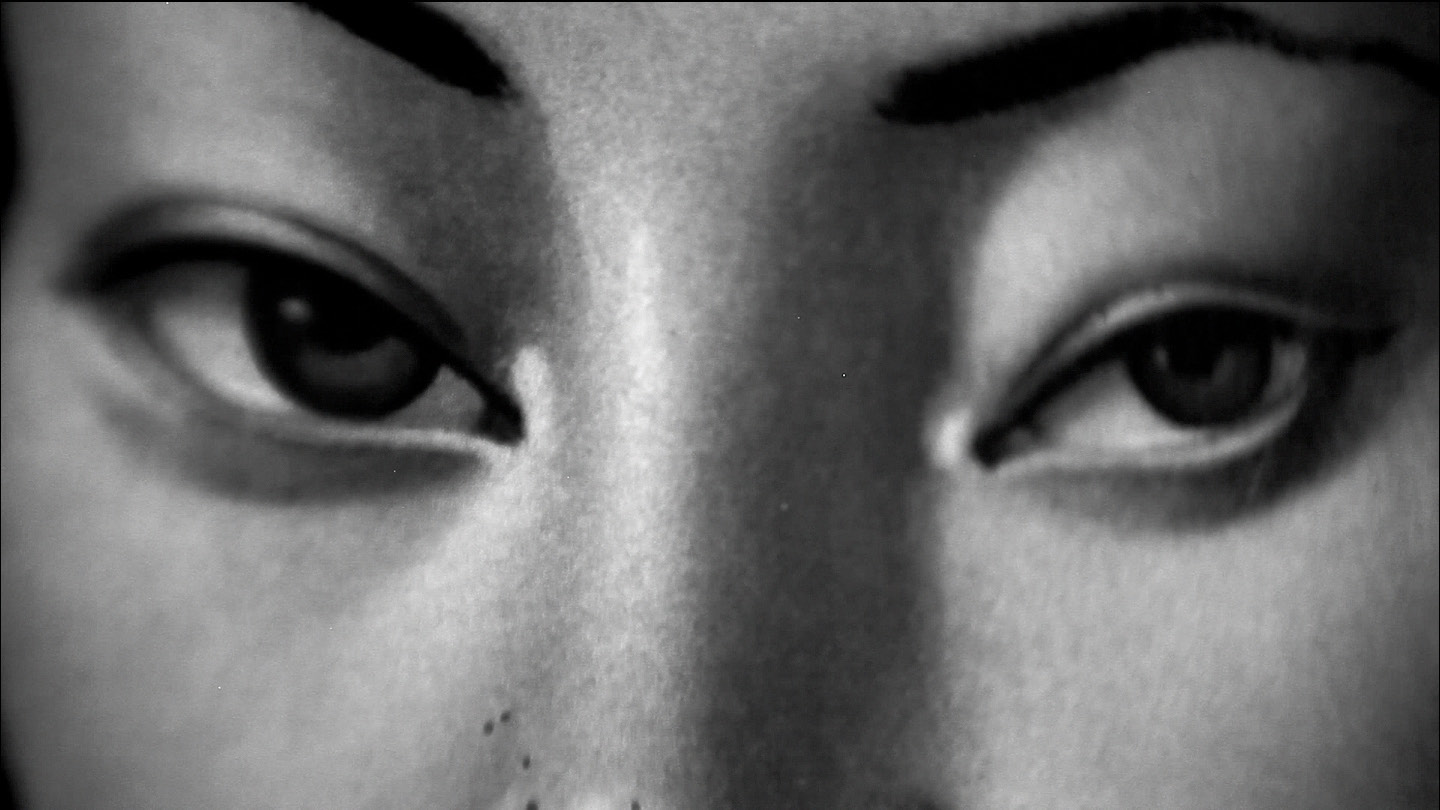
InvU transforms Cyril Caine's photographic portraits into a visual poem of torn and recomposed faces, where disfigurement becomes the subject of a sensitive investigation into how our gaze can hurt, classify, or repair bodies.
Watch the film ↗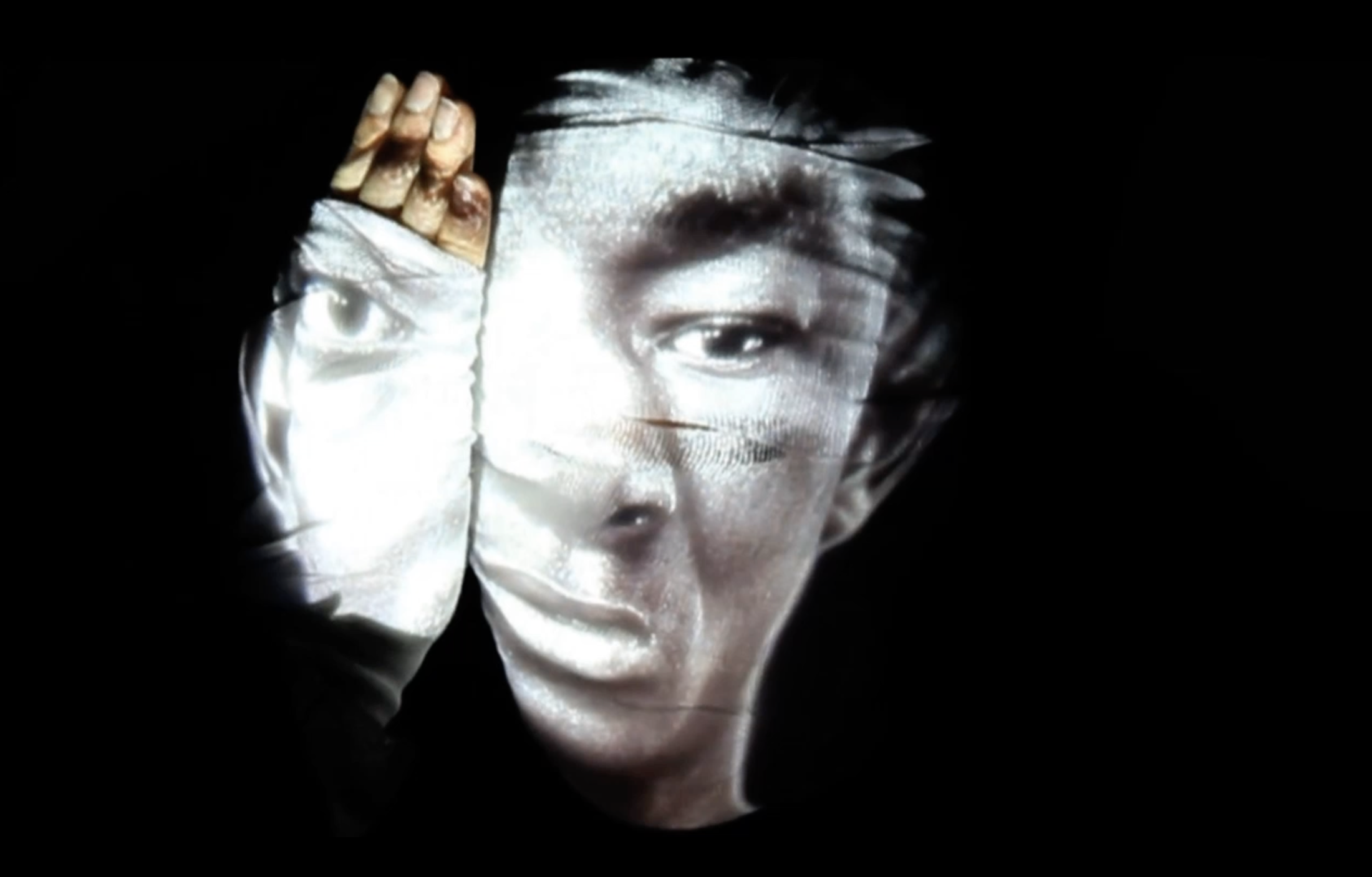 Watch InvU ↗
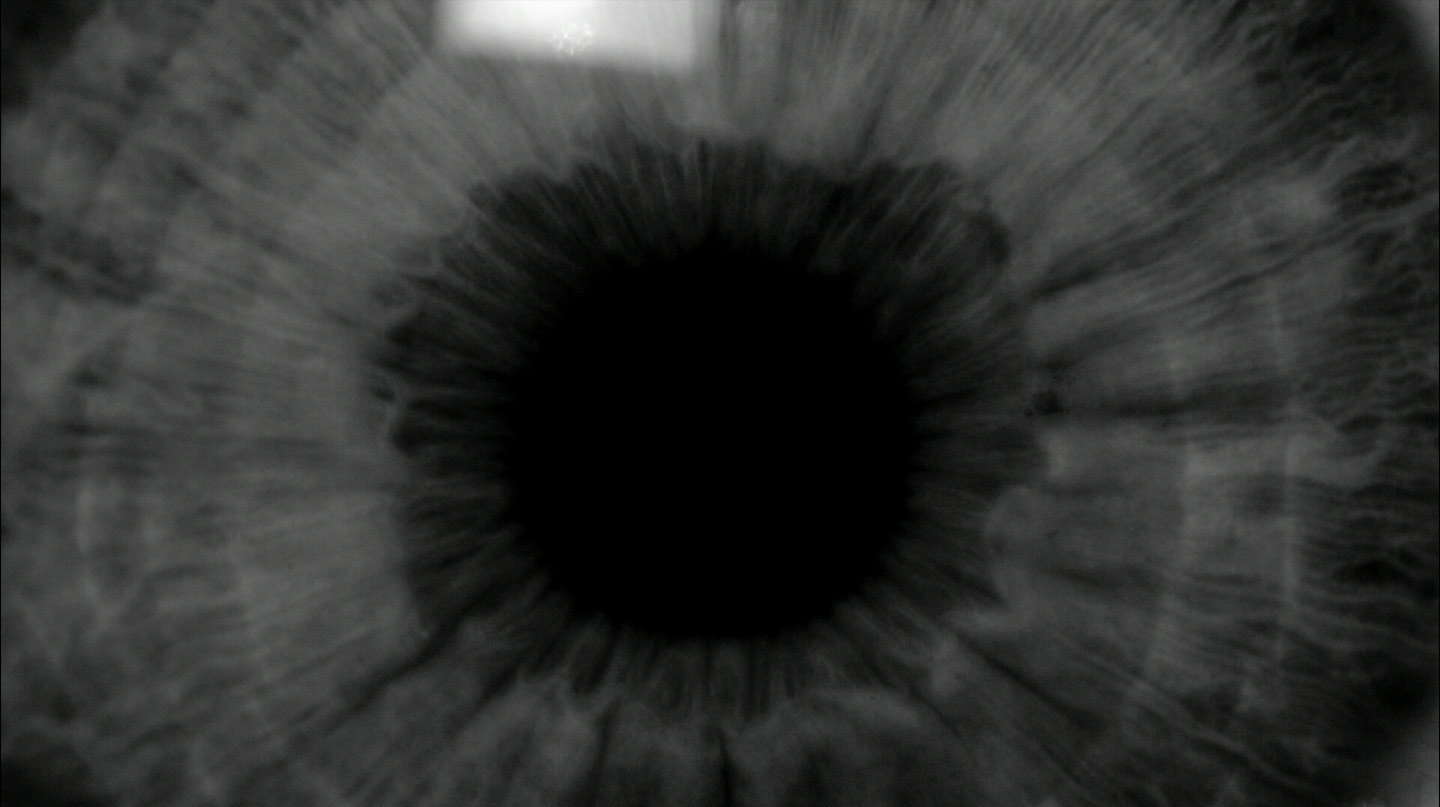
Experimental film
AMOK / Dark Room
Cyril Caine & Anita Volker · 2015
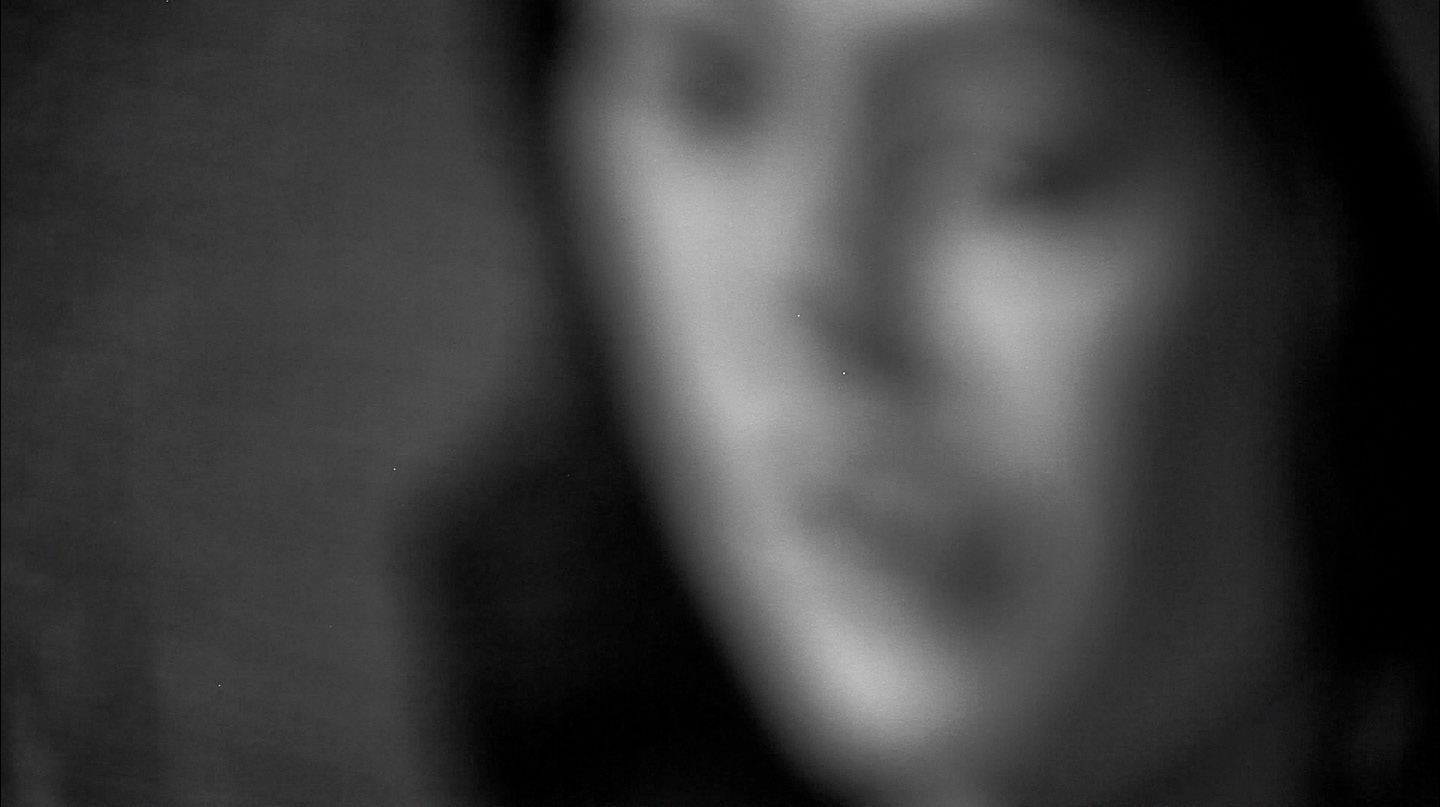
A camera obscura of the face: fragmentation, apparition and the return of the image. The film opens the body of work onto an inner temporality, between erasure and survival.
Watch the film ↗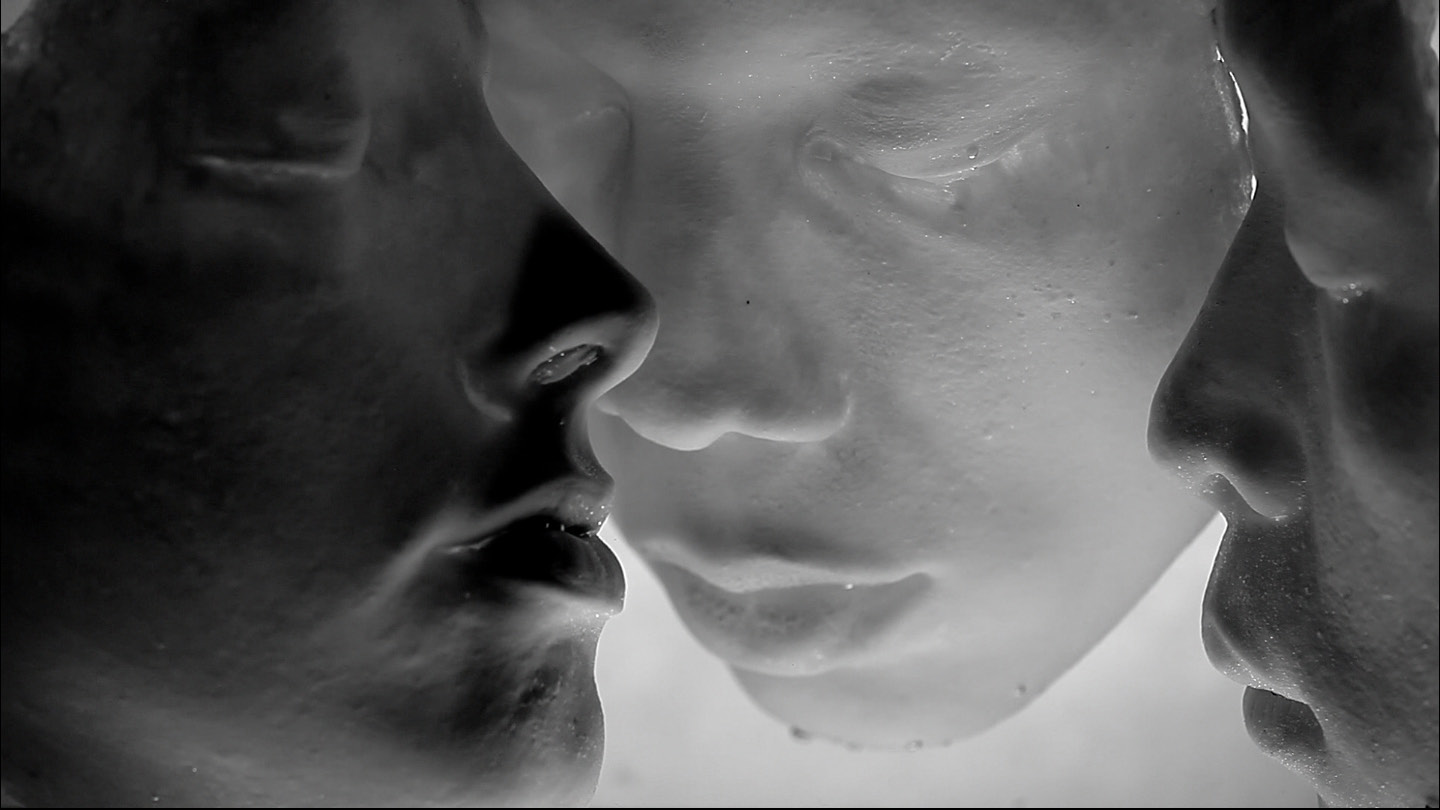
Short documentary
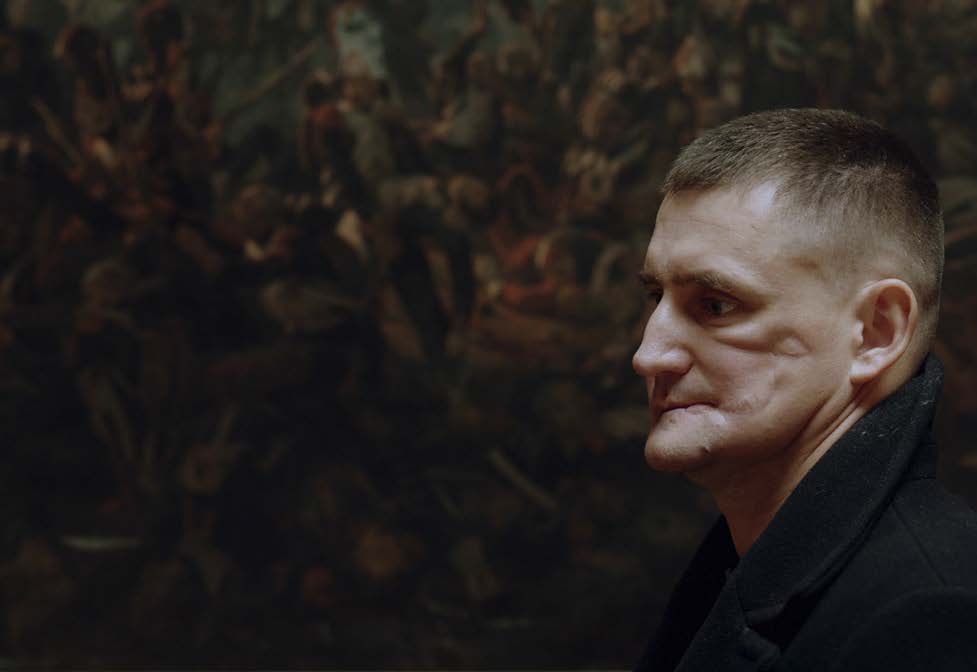
The Torn Soldier
Cyril Caine & Anita Volker · 2024
Volodymyr, a former basketball coach who became a Ukrainian soldier, was wounded in the face by war. Here, the repaired face becomes a site of history, dignity and survival.
Watch the film ↗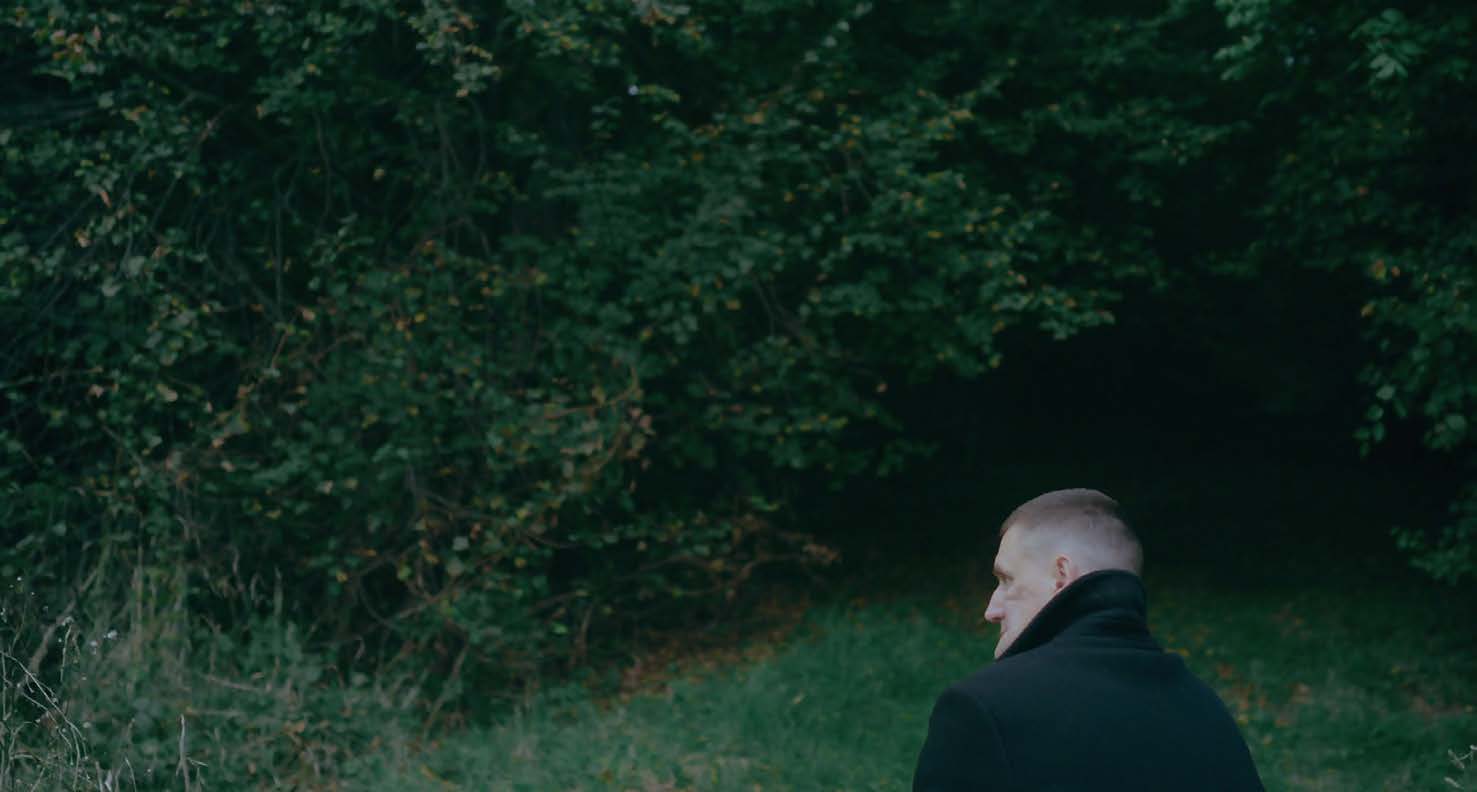
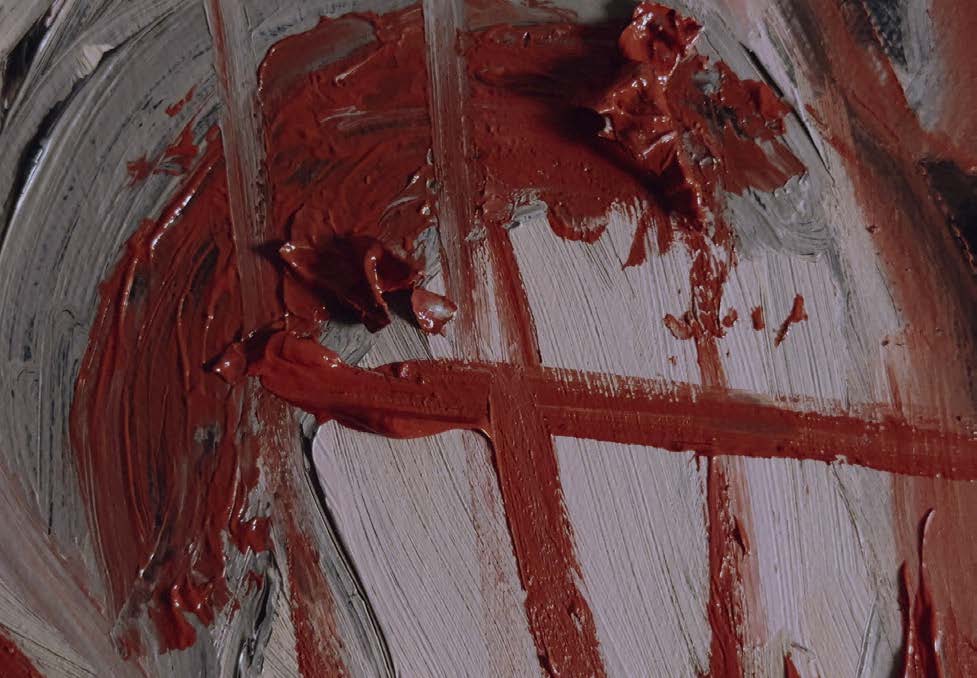
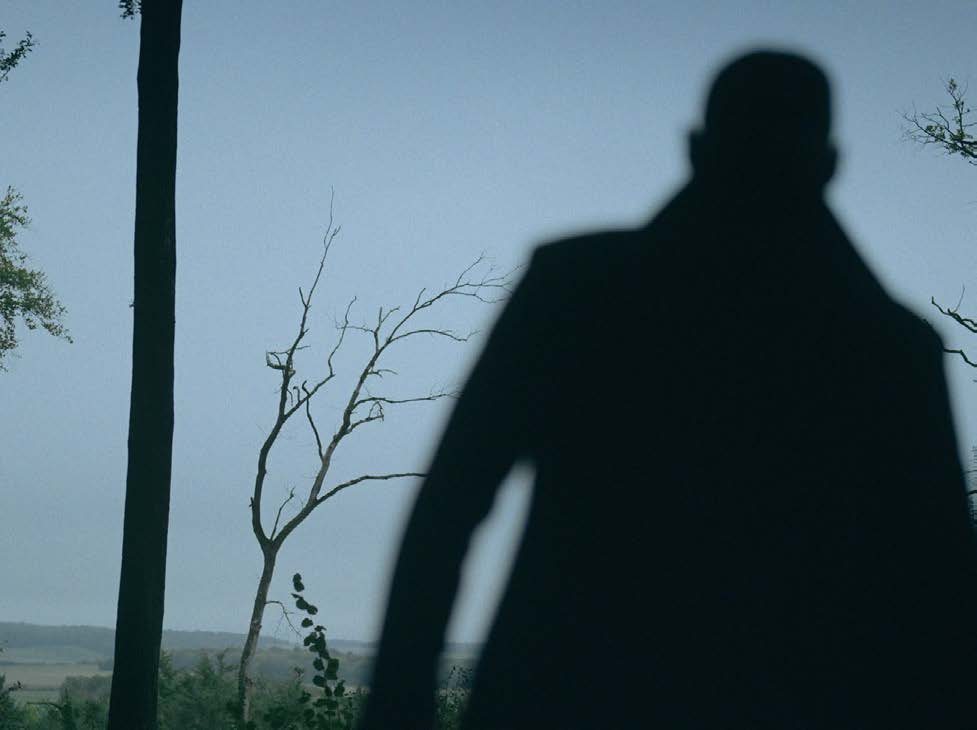
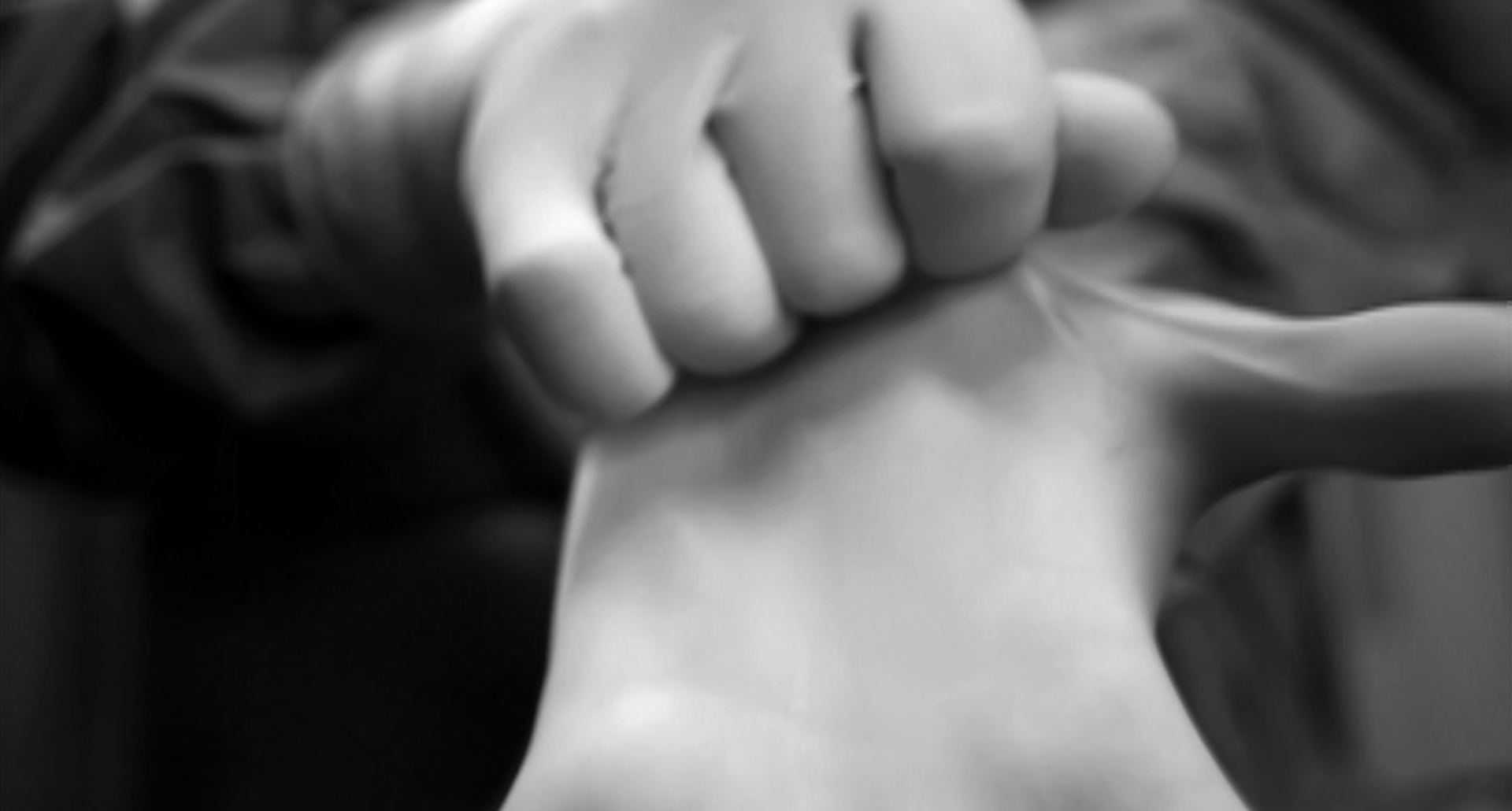
A hand appears as an autonomous body. It hesitates, searches, breathes and dances: what remains able to touch, feel and speak when the face or voice withdraws.